Vows, contracts and registrationEurope
Royal Pragmatic on Marriage
In its own language: Real Pragmática
A Spanish law requiring parental permission for marriage to enforce social class boundaries.
The Royal Pragmatic on Marriage was a Spanish Crown decree that mandated children seek parental consent before wedlock. It allowed parents to disinherit disobedient offspring and served as a legal tool to prevent unions across unequal social standings.
When is Royal Pragmatic on Marriage kept?
Royal Pragmatic on Marriage is kept from the late 1700s onward.
This legislation required young people to secure explicit approval from their parents before entering into marriage. The Spanish Crown introduced it to maintain strict social hierarchies by preventing unions between individuals of different classes. Disobedience carried severe financial consequences for the couple.
Origins and purpose
The first Royal Pragmatic was enacted on March 23, 1776. Its primary goal was to give families control over the marital choices of their children. By mandating parental consent, the state aimed to preserve established social structures and prevent marriages that might disrupt family wealth or status.
Legal enforcement
The law provided a mechanism for parents to enforce their wishes through financial penalties. If a child married without permission, they could be legally disinherited. This threat of losing one's share of the family estate served as a powerful deterrent against unauthorized unions across social divides.
Historical impact
Scholars note that this legal framework influenced marriage practices well beyond Spain. Research into Argentine history shows how these concepts of social standing and legal backing shaped matrimonial norms in Buenos Aires during the nineteenth century, demonstrating the long reach of such colonial-era regulations.
When and where
It applies during the betrothal stage, specifically when a couple decides to marry but has not yet received the necessary family approvals.
It originated in Spain and influenced legal traditions in former colonies, particularly affecting marriage customs in Argentina.
What Royal Pragmatic on Marriage means
It symbolizes the authority of the family unit over individual romantic choices. The law prioritized collective social stability and economic preservation over personal affection or desire.
Who takes part
- Parents: Grant or withhold permission for the marriage and enforce disinheritance if denied.
- Children: Seek official approval from their parents before proceeding with wedding plans.
Questions people ask about Royal Pragmatic on Marriage
When is Royal Pragmatic on Marriage kept?
Royal Pragmatic on Marriage is kept from the late 1700s onward.
What is the Royal Pragmatic on Marriage?
It is a Spanish law requiring parental consent for marriage to enforce social class boundaries and prevent unequal unions.
What happens if a child disobeys?
Disobedient children can be legally disinherited by their parents as a penalty for marrying without permission.
Where did it originate?
It originated in Spain and later influenced marriage laws and social norms in places like Argentina.
See also
 Wedding cordA satin loop placed around the couple to symbolize their lifelong union in Catholic weddings.
 Las arrasThirteen coins exchanged by the couple to symbolize provision and trust in a Christian marriage.Berberisca dressThe gold-embroidered wedding gown of Moroccan Jews, rooted in Spanish royal style.
Good reading and sources
The facts on this page come from the Wikipedia article "Royal Pragmatic on Marriage", written by its contributors and used under the CC BY-SA 4.0 licence, and from its Wikidata record (CC0). EveryShaadi rewrote the text in its own words, with AI assistance, and compares every page with the article to make sure no passage is copied. It may be reused under the same CC BY-SA 4.0 licence with a link back.
It may contain mistakes. Wedding customs differ from one family, village and community to the next, and the people who keep them know them best. If something is wrong, tell us. Last refreshed 2026-10-05.
More from Spain
All the traditions of Spain
🇪🇸 Spain and 2 moreLas arrasLas arras matrimoniales
Thirteen coins exchanged by the couple to symbolize provision and trust in a Christian marriage.Rite · The ceremony
🇪🇸 Spain and 2 moreWedding cord
A satin loop placed around the couple to symbolize their lifelong union in Catholic weddings.Rite · The ceremony
The same idea elsewhere
Arranged marriage, matchmaking and choosing a partner compared 🇲🇲 MyanmarMarriage in Myanmar
A blend of Buddhist rites, astrological timing, and family negotiations that defines union across Myanmar's diverse ethnRite · Finding a match
🇾🇪 Yemen and 4 moreKafa'ahالكفاءة (al-kafā'ah)
The Islamic legal principle of social and religious equivalence between spouses in marriage.Vow · Finding a match
🇲🇲 MyanmarMarriage in Myanmar
A blend of Buddhist rites, astrological timing, and family negotiations that defines union across Myanmar's diverse ethnRite · Finding a match
🇾🇪 Yemen and 4 moreKafa'ahالكفاءة (al-kafā'ah)
The Islamic legal principle of social and religious equivalence between spouses in marriage.Vow · Finding a match
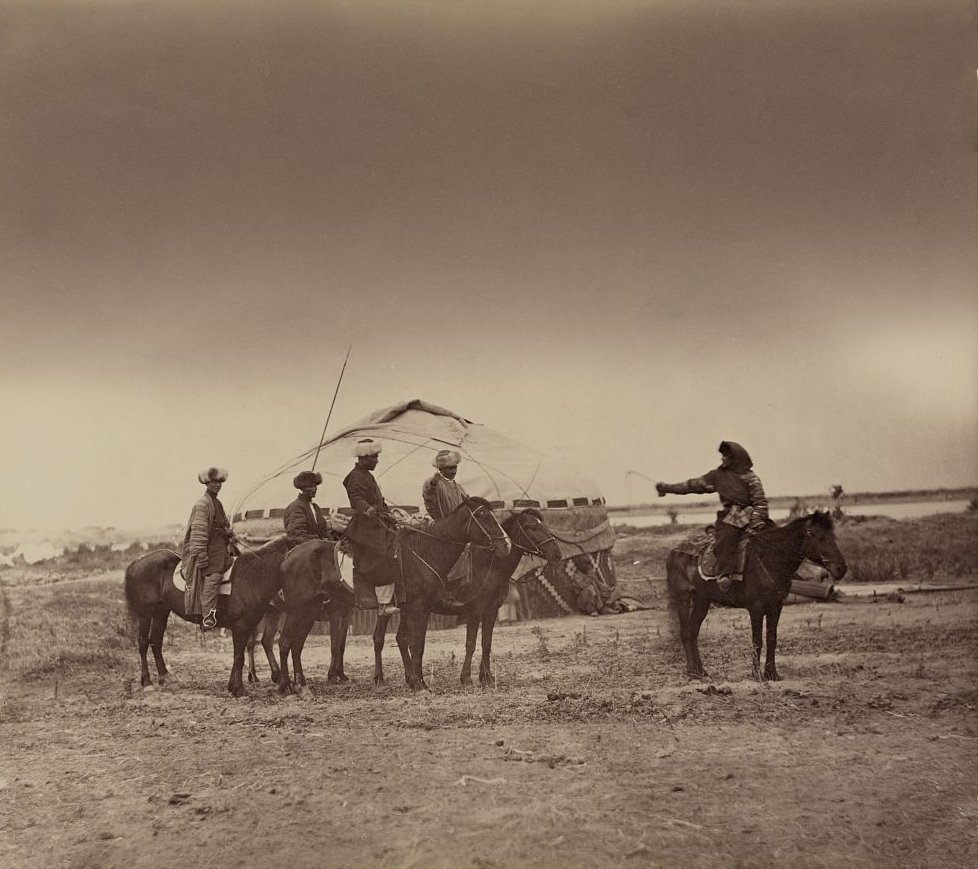 🇰🇬 Kyrgyzstan and 2 moreAla kachuuала качуу
A Kyrgyz custom of taking a woman for marriage, ranging from consensual elopement to forced abduction.Betrothal · Engagement and betrothal
🇨🇳 China and 1 moreGhost marriage冥婚 (mínghūn)
A union arranged for deceased individuals to ensure harmony in the afterlife and care in this one.Rite · Finding a match
🇰🇬 Kyrgyzstan and 2 moreAla kachuuала качуу
A Kyrgyz custom of taking a woman for marriage, ranging from consensual elopement to forced abduction.Betrothal · Engagement and betrothal
🇨🇳 China and 1 moreGhost marriage冥婚 (mínghūn)
A union arranged for deceased individuals to ensure harmony in the afterlife and care in this one.Rite · Finding a match