Blessings, luck and omens
Rice and petals, the broom, the horseshoe, the broken glass and other ways of asking for luck.
A wedding is a time when people ask for luck. Rice and petals are thrown, bells rung, a horseshoe hung, a glass broken, a coconut cracked. Many of these customs began as a wish for children, wealth or protection from harm, and they remain because they are fun, meaningful and shared.
Throwing and showering
Rice is thrown at the couple in many parts of the world as a wish for fertility and plenty, and in some places is replaced by petals or birdseed. Italian weddings use confetti sugared almonds, and Moroccan guests shower the couple with dates and milk. Indian brides throw rice behind them as they leave, to give back to the parental home. In Ukraine and Russia guests may throw grain, coins and sweets.
Protection against harm
Many cultures guard against the evil eye or jealous spirits. The Jewish groom breaks a glass, in the Greek wedding the bride may carry a lump of sugar, and in Scotland the blackening of the bride is a boisterous prank. In China firecrackers scare off bad luck, and in Iran a sugar cone is rubbed above the couple's heads. In parts of Africa libations pour water or drink to the ancestors.
Omens and dates
Weather, day and month can also be omens. Rain on the day is lucky in many places, from Hindu communities who see it as a blessing to Western brides who say it is good luck. Dates are chosen by astrologers in India, by the lunar calendar in China, and avoided in Lent, Ramadan or the Omer, when weddings are not held by custom.
Written by the EveryShaadi desk with AI assistance. Background on Blessings, luck and omens (kind of custom). Customs differ from place to place and family to family. If this is your tradition and we have it wrong, tell us.
 🇮🇱 IsraelMazel tovמזל טוב
The Jewish phrase said to congratulate someone on a happy occasion or good fortune.Blessing · The ceremony
🇮🇱 IsraelMazel tovמזל טוב
The Jewish phrase said to congratulate someone on a happy occasion or good fortune.Blessing · The ceremony
 🇸🇦 Saudi ArabiaArdahالعرضة
The men's group dance with swords and drums that marks weddings in the Arabian PeninsulaPerformance · Reception, dance and gifts
🇸🇦 Saudi ArabiaArdahالعرضة
The men's group dance with swords and drums that marks weddings in the Arabian PeninsulaPerformance · Reception, dance and gifts
 🇮🇱 Israel and 2 moreSheva Brachotשבע ברכות
The seven blessings recited during Jewish weddings and the subsequent festive week.Blessing · The ceremony
🇮🇱 Israel and 2 moreSheva Brachotשבע ברכות
The seven blessings recited during Jewish weddings and the subsequent festive week.Blessing · The ceremony
 🇮🇱 Israel and 3 moreChuppahחֻפָּה (ḥuppā)
The four-poster canopy that marks the Jewish wedding ceremony and symbolizes the couple's new home.Setting · The ceremony
🇮🇱 Israel and 3 moreChuppahחֻפָּה (ḥuppā)
The four-poster canopy that marks the Jewish wedding ceremony and symbolizes the couple's new home.Setting · The ceremony
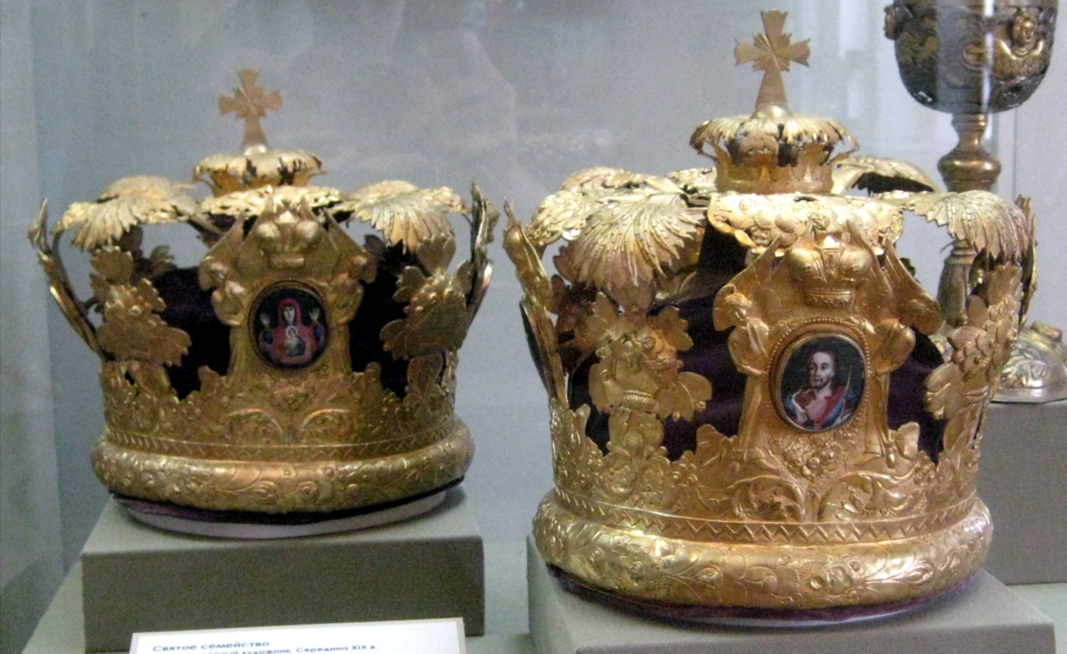 🇸🇾 Syria and 3 moreMystery of Crowning
The crowning ritual in Eastern Christian weddings that marks the couple as king and queen.Rite · The ceremony
🇸🇾 Syria and 3 moreMystery of Crowning
The crowning ritual in Eastern Christian weddings that marks the couple as king and queen.Rite · The ceremony
 🇸🇦 Mecca, Saudi ArabiaSa'yeeالسعي
The seven trips between two hills in Mecca that complete the Hajj and Umrah pilgrimages.Rite · The ceremony
🇮🇱 Israel and 1 moreHava Nagilaהָבָה נָגִילָה
A Jewish folk song sung and danced at weddings and celebrations to mark joyous occasionsPerformance · Reception, dance and gifts
🇸🇦 Mecca, Saudi ArabiaSa'yeeالسعي
The seven trips between two hills in Mecca that complete the Hajj and Umrah pilgrimages.Rite · The ceremony
🇮🇱 Israel and 1 moreHava Nagilaהָבָה נָגִילָה
A Jewish folk song sung and danced at weddings and celebrations to mark joyous occasionsPerformance · Reception, dance and gifts
 🇦🇪 United Arab Emirates and 1 moreNadbaالندبة
A ceremonial battle cry and dance performed by the Shihuh tribe of the Musandam Peninsula.Performance · The weeks before
🇸🇦 Jeddah, Saudi Arabia and 2 moreMezmarمزمار
A Saudi stick dance performed at weddings with drums and bamboo canesPerformance · Reception, dance and gifts
🇦🇪 United Arab Emirates and 1 moreNadbaالندبة
A ceremonial battle cry and dance performed by the Shihuh tribe of the Musandam Peninsula.Performance · The weeks before
🇸🇦 Jeddah, Saudi Arabia and 2 moreMezmarمزمار
A Saudi stick dance performed at weddings with drums and bamboo canesPerformance · Reception, dance and gifts
 🇮🇱 Jerusalem, Israel and 1 moreBekisheבעקישע (bekishe) or בעקעטשע (beketche)
A long black coat worn by Hasidic men on the Sabbath and at weddings.Attire · The ceremony
🇮🇱 Jerusalem, Israel and 1 moreBekisheבעקישע (bekishe) or בעקעטשע (beketche)
A long black coat worn by Hasidic men on the Sabbath and at weddings.Attire · The ceremony
 🇮🇱 Jerusalem, IsraelBirkat Hamazonבִּרְכַּת הַמָּזוׂן (Birkat Hamazon)
The Hebrew blessings recited after a Jewish meal to thank God for the food and the land.Blessing · After the wedding
🇮🇱 Jerusalem, IsraelBirkat Hamazonבִּרְכַּת הַמָּזוׂן (Birkat Hamazon)
The Hebrew blessings recited after a Jewish meal to thank God for the food and the land.Blessing · After the wedding
Photo credits on this page
The small pictures above come from Wikimedia Commons under free licences. Some are cropped to fit.
- Sheva Brachot: מנחם יוסיפון, CC0, source
- Nadba: Saeeddon1, CC0, source
- Sa'yee: Aiman titi, CC BY-SA 3.0, source
- Chuppah: me, Public domain, source
- Birkat Hamazon: Peggy Greb, USDA ARS, Public domain, source
- Mazel tov: Iwona Erskine-Kellie, CC BY 2.0, source
- Ardah: Abodi009, CC BY-SA 3.0, source
- Bekishe: JJ211219 at English Wikipedia, Public domain, source
- Mystery of Crowning: Shakko, CC BY-SA 3.0, source