Ceremony and sacred ritesMiddle EastCatholicOrthodox and Eastern Christian
Assyrian wedding
Marriage ceremonies blending ancient Assyrian rites with modern cultural practices among the Assyrian people.

Assyrian weddings are marriage ceremonies that combine traditional Assyrian customs with contemporary influences. These celebrations vary by region but often include arranged matchmaking, bridewealth negotiations, and communal dancing like the Khigga. The rituals emphasize community bonds, religious blessings, and specific symbolic acts to ensure luck and protection for the couple.
When is Assyrian wedding kept?
Assyrian wedding is kept on the day of the wedding or during pre-wedding gatherings.
Assyrian weddings are vibrant expressions of cultural identity and religious faith. They blend ancient traditions with modern elements, reflecting the resilience of the Assyrian people across Syria, Iraq, Turkey, and Iran. These ceremonies involve intricate steps from matchmaking to celebration, emphasizing family unity and spiritual blessing.
Matchmaking and betrothal
Traditional matchmaking begins with the groom's family seeking a match. A pre-engagement gathering called Mashmētā involves the suitor's family visiting the woman's home to propose marriage. The groom does not attend, and the woman remains in her room while negotiations occur. If accepted, families select an engagement date. In southeastern Turkey, the man's family brings flowers and sweets, declaring their intent to become relatives. Bridewealth, or niqdā, is negotiated between families, with the groom's father sometimes kissing the bride's father's hand to show respect. Another tradition, Dḇāqtā d'Tarʿā, involves the groom's family paying money to the bride's brother or cousin to allow the bride to leave her home.
Pre-wedding rituals
Before the wedding, female relatives knit a honeymoon blanket while younger women perform dances. Henna rituals, once exclusive to women, are now mixed-gender events. The showering of the groom, or khyāptā d’khitnā, involves male relatives trimming his hair and washing his body to purify him spiritually and physically. Female singers perform the song Lilyana during this cleansing. Breaking items is also common; a female relative steals and breaks a valuable item from the bride's home to symbolize good luck. Some families break jars of sweets and coins on the ground for similar purposes.
Ceremony and blessings
The wedding ceremony includes a blessing by a priest, known as Burākhā. Pins shaped like crosses are placed on the groom's back for protection. Couples may wear silken armlets called kleelā, symbolizing the union of body and soul. Regional variations exist; Assyrians from Baz use needles to ward off evil spirits, while those from Tyari make noise with scissors. In Turkey, marriages require official documentation before the priest's blessing. Before the church service, families gather at the bride's house for music and dance using zurna and davul instruments.
Celebration and feasting
Assyrian weddings feature traditional Khigga dancing, where participants stand side by side, holding hands and moving in circles. The groom leads the dance line, holding a decorated staff. Guests may use handkerchiefs called yālikhtā to create noise during the dance. Wedding songs express prosperity and happiness. In Midyat, a unique engagement ceremony involves breaking a yamino bun, with the person holding the larger piece becoming the head of the house. Wedding meals include stuffed ribs, börek, and kavurma. The sabahiye, a meal the day after the wedding, offers guests marga, though this tradition is fading into smaller family gatherings.
How Assyrian wedding is kept
The process starts with matchmaking, where the groom's family proposes to the bride's family through gatherings like Mashmētā. Bridewealth is negotiated, and pre-wedding rituals such as henna nights and the groom's purification take place. The ceremony involves a priest's blessing, wearing symbolic armlets, and regional protective customs. Celebrations include communal Khigga dancing, live music, and feasting on traditional foods like yamino buns and stuffed ribs, lasting from a single day to extended periods depending on the community.
When and where
These weddings occur after matchmaking and betrothal, typically spanning one day in modern times, though historically they could last seven days. Pre-wedding rituals happen in the weeks leading up to the event, with the main ceremony taking place in a church or community hall.
Assyrian weddings are practiced in Syria, Iraq, Turkey, and Iran. Specific traditions vary by region, such as bridewealth in the Khabour region of Syria and unique culinary customs in Midyat. Diaspora communities also maintain these traditions.
What Assyrian wedding means
Rituals symbolize purification, protection, and unity. The groom's showering cleanses him spiritually. Breaking items brings good luck. Armlets represent the joining of body and soul. Dancing expresses cultural identity and joy. Bridewealth signifies respect and commitment between families. Regional customs like dipping fingers in butter bring wealth and happiness.
Who takes part
- Groom's family: Proposes marriage and negotiates bridewealth
- Bride's family: Considers the proposal and receives bridewealth
- Priest: Blesses the couple and performs religious rites
- Groom: Leads the Khigga dance and undergoes purification
- Female relatives: Knit blankets and perform henna rituals
- Guests: Participate in dancing and share in the feast
If you are a guest
Guests participate in communal dancing, particularly the Khigga, where they hold hands and move in circles. They may wear traditional Assyrian clothing and enjoy wedding songs and feasts. During the sabahiye, guests receive marga, a meal of lavash with meat broth, though this is now limited to close family.
Then and now
Modern Assyrian weddings are shorter, often lasting only one day instead of seven. Many traditional customs have been abandoned, especially in diaspora communities. Bridewealth practices face criticism from churches, and some regional traditions are fading. However, core elements like Khigga dancing and religious blessings remain central to the celebration.
On the wedding table
- Yamino bun: Broken during engagement in Midyat; the larger piece determines the head of the house
- Marga: A meal of lavash with meat cooked in broth served during the post-wedding sabahiye
- Stuffed ribs: Served during wedding meals in Midyat
- Börek: A savory pastry included in wedding feasts
- Kavurma: A meat dish served at Assyrian weddings
- Sweets and coins: Broken in jars on the ground for good luck during pre-wedding rituals
Symbols: The ring The veil Bread Sweets, sugar and honey Wine and the shared cup The wedding cake Water and washing Garlands and flowers
Questions people ask about Assyrian wedding
When is Assyrian wedding kept?
Assyrian wedding is kept on the day of the wedding or during pre-wedding gatherings.
What is the Mashmētā?
It is a pre-engagement gathering where the groom's family visits the bride's home to propose marriage. The groom does not attend, and negotiations take place while the bride stays in her room.
What is the Khigga?
The Khigga is a traditional Assyrian dance performed during weddings. Participants stand side by side, holding hands and moving in circles, with the groom leading the line while holding a decorated staff.
Is bridewealth still practiced?
Yes, bridewealth or niqdā is commonly practiced among Assyrians, even in the diaspora. It involves negotiation between families, though some churches criticize it.
What is the purpose of breaking items?
Breaking items, such as a stolen valuable object or a jar of sweets and coins, is believed to bring good luck and strength to the marriage.
How long do Assyrian weddings last?
Historically, weddings could span seven days, but modern celebrations are typically much shorter, often dedicated to a single day.
See also
 Iranian weddingA multi-stage ceremony rooted in Zoroastrianism and Islam that binds families through courtship, feasts, and sacred vowsUlulationA high-pitched trilling sound made by women to celebrate weddings and share good news across many cultures.
 DabkeA Levantine line dance performed at weddings to celebrate union and community.Nikah halalaA second marriage required for a woman to remarry her first husband after triple talaq.
Good reading and sources
- Community Collections Grant Spotlight: Chaldeans: Portrait of an Evolving CommunityLibrary of Congress, Article
- Community Collections Grant Spotlight: Chaldeans: Portrait of an Evolving CommunityLibrary of Congress, Article
The facts on this page come from the Wikipedia article "Assyrian weddings", written by its contributors and used under the CC BY-SA 4.0 licence, and from its Wikidata record (CC0). EveryShaadi rewrote the text in its own words, with AI assistance, and compares every page with the article to make sure no passage is copied. It may be reused under the same CC BY-SA 4.0 licence with a link back.
It may contain mistakes. Wedding customs differ from one family, village and community to the next, and the people who keep them know them best. If something is wrong, tell us. Last refreshed 2026-10-05.
More from Syria
All the traditions of Syria 🇪🇬 Egypt and 5 moreArab weddingزفاف or فرح or عرس
A series of family-centered rites and processions that mark marriage across the Arab world.Rite · Finding a match
🇪🇬 Egypt and 5 moreArab weddingزفاف or فرح or عرس
A series of family-centered rites and processions that mark marriage across the Arab world.Rite · Finding a match
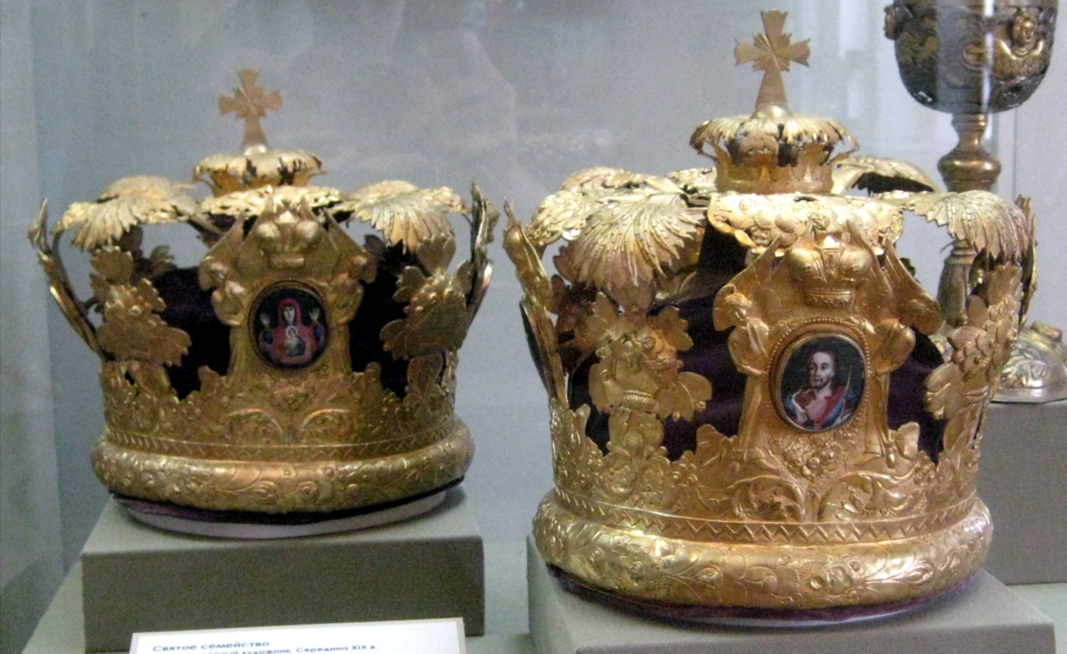 🇸🇾 Syria and 3 moreMystery of Crowning
The crowning ritual in Eastern Christian weddings that marks the couple as king and queen.Rite · The ceremony
🇸🇾 Syria and 3 moreMystery of Crowning
The crowning ritual in Eastern Christian weddings that marks the couple as king and queen.Rite · The ceremony
 🇪🇬 Egypt and 5 moreMizmarمزمار (mizmār)
A loud double reed instrument played at weddings and festivals across Egypt and the Levant.Performance · Procession and arrival
🇵🇸 Ramallah, Palestine and 4 moreDabkeدبكة
A Levantine line dance performed at weddings to celebrate union and community.Performance · Reception, dance and gifts
🇪🇬 Egypt and 5 moreMizmarمزمار (mizmār)
A loud double reed instrument played at weddings and festivals across Egypt and the Levant.Performance · Procession and arrival
🇵🇸 Ramallah, Palestine and 4 moreDabkeدبكة
A Levantine line dance performed at weddings to celebrate union and community.Performance · Reception, dance and gifts
The same idea elsewhere
Arranged marriage, matchmaking and choosing a partner compared 🇨🇳 China and 2 moreChinese pre-wedding customs三書六禮 (sàam syù luhk láih)
The traditional betrothal rituals of the Book of Rites that prepare a Chinese marriage.Betrothal · Finding a match
🇨🇳 China and 2 moreChinese pre-wedding customs三書六禮 (sàam syù luhk láih)
The traditional betrothal rituals of the Book of Rites that prepare a Chinese marriage.Betrothal · Finding a match
 🇷🇺 RussiaRussian wedding traditionsРусская свадьба
A multi-day celebration blending Orthodox crowning, ransom games, and lively toasting in Russia.Rite · Engagement and betrothal
🇷🇺 RussiaRussian wedding traditionsРусская свадьба
A multi-day celebration blending Orthodox crowning, ransom games, and lively toasting in Russia.Rite · Engagement and betrothal
 🇦🇿 AzerbaijanAzerbaijani wedding traditionsAzərbaycanın toy adətləri
The multi-step family rituals of Azerbaijani weddings, from matchmaking to the henna night.Rite · Finding a match
🇦🇿 AzerbaijanAzerbaijani wedding traditionsAzərbaycanın toy adətləri
The multi-step family rituals of Azerbaijani weddings, from matchmaking to the henna night.Rite · Finding a match