Finding a match
Matchmakers, horoscopes, family introductions, courtship festivals and the first meeting.
Every wedding begins with two people finding each other, and the world has many ways to do it. A matchmaker, a horoscope, a festival, a school, an app or a family introduction can each be the first step. This stage covers what happens from the first thought of marriage to the first serious meeting.
Matchmakers and families
The Jewish shadchan, the Japanese nakodo, the Chinese matchmaker or meipo, the Indian family elder and the Korean middleman all work on the same idea: a trusted person who knows both sides suggests a match. In India families trade biodata and compare horoscopes, and in Japan the omiai was a formal first meeting, usually in a hotel tea room. In Iran the khastegari follows once the families agree.
Festivals and open courtship
Some places have a day or a gathering where young people meet. The Gerewol of the Wodaabe in Niger, the Imilchil Moussem in Morocco, the Lisdoonvarna Matchmaking Festival in Ireland, the Sapa love market in Vietnam, and Tu B'Av in Jewish tradition all bring unmarried people together in a public, festive setting. In China, parents gather in parks such as Shanghai's People's Park with notes about their children.
Choice and consent
Arranged does not mean forced. Many arranged marriages involve both partners' agreement, and many couples who meet on their own still seek parental blessing. Forced marriage is a violation of rights and illegal in most countries. Dating apps built for specific communities, from Muzz to Shaadi, show how technology is folding into older customs.
Written by the EveryShaadi desk with AI assistance. Background on Finding a match (stage of the wedding). Customs differ from place to place and family to family. If this is your tradition and we have it wrong, tell us.
 🇵🇭 Cebu, PhilippinesCourtship in the Philippines
A traditional Filipino courtship marked by serenade, service, and family involvement.Betrothal · Finding a match
 🇮🇳 Saurath, India and 2 moreSaurath Sabha
The annual Maithil Brahmin gathering in Bihar for arranged marriages based on lineage records.Betrothal · Finding a match
 🇵🇬 Papua New Guinea and 5 moreSister exchange
A marriage arrangement where two brothers each marry a sister from the other family.Betrothal · Finding a match
🇸🇦 Saudi Arabia and 5 moreCousin marriage in the Middle East
A traditional practice of marrying close relatives, especially paternal cousins, across Middle Eastern communities.Betrothal · Finding a match
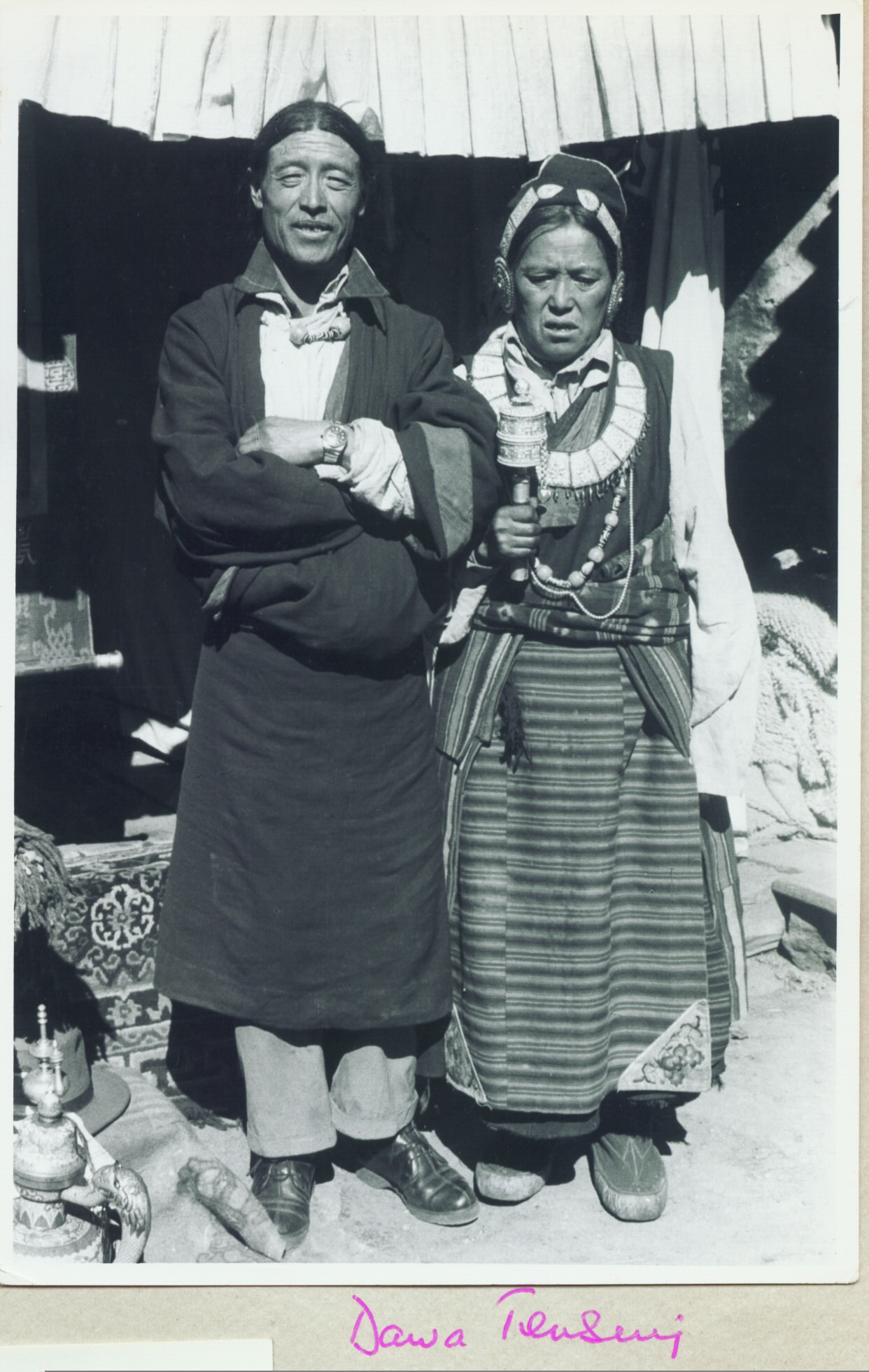 🇳🇵 NepalSherpa marriage
The astrological matching and barley beer offering that binds a Sherpa couple.Betrothal · Finding a match
🇯🇵 Japan and 4 morePicture brideNakōdo (仲人) matchmaking; Jungmae gyeolhon (결혼) process
Early twentieth century marriages arranged through photographs between Asian immigrant men and women in Hawaii and the UBetrothal · Finding a match
🇮🇳 Sasaula, IndiaSasaula Sabha Gachhiससौला सभा गाछी
A historic gathering spot where Maithil Brahmin families matchmake and record marriages.Betrothal · Finding a match
🇲🇲 Myanmar and 1 moreMayu-Dama
The Kachin kinship system that defines who can marry whom through wife-giver and wife-taker rolesBetrothal · Finding a match
🇳🇬 Nigeria and 1 moreSurrogate marriage
A woman marries another woman to bear children for her lineage when she cannot have them herself.Betrothal · Finding a match
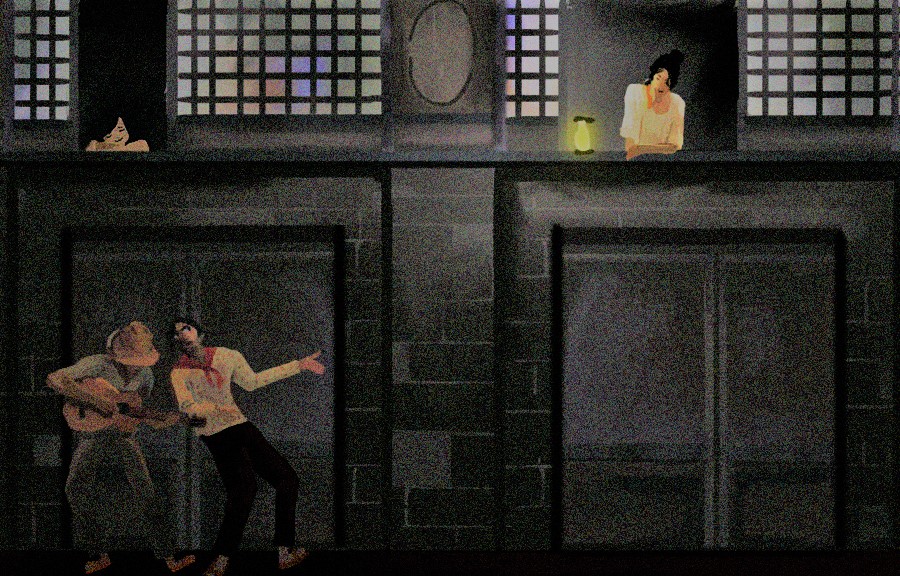 🇵🇭 Cebu, PhilippinesHarana
A traditional Filipino courtship serenade where a suitor sings beneath a woman's window at night.Betrothal · Finding a match
🇯🇵 JapanYobai夜這い
A Japanese tradition of nighttime courtship visits before marriage.Betrothal · Finding a match
 🇵🇰 Pakistan and 5 moreCousin marriage
A union between people who share a grandparent or recent ancestor, practiced in many regions and communities.Vow · Finding a match
Photo credits on this page
The small pictures above come from Wikimedia Commons under free licences. Some are cropped to fit.
- Sherpa marriage: Dirk Pons, CC BY-SA 3.0, source
- Courtship in the Philippines: Markytour777, CC BY-SA 4.0, source
- Sister exchange: Wilses, CC BY-SA 4.0, source
- Saurath Sabha: Saurath Sabha, CC BY-SA 4.0, source
- Harana: Markytour777, CC BY-SA 4.0, source
- Cousin marriage: 綾絲, CC BY-SA 4.0, source