Finding a match
Matchmakers, horoscopes, family introductions, courtship festivals and the first meeting.
Every wedding begins with two people finding each other, and the world has many ways to do it. A matchmaker, a horoscope, a festival, a school, an app or a family introduction can each be the first step. This stage covers what happens from the first thought of marriage to the first serious meeting.
Matchmakers and families
The Jewish shadchan, the Japanese nakodo, the Chinese matchmaker or meipo, the Indian family elder and the Korean middleman all work on the same idea: a trusted person who knows both sides suggests a match. In India families trade biodata and compare horoscopes, and in Japan the omiai was a formal first meeting, usually in a hotel tea room. In Iran the khastegari follows once the families agree.
Festivals and open courtship
Some places have a day or a gathering where young people meet. The Gerewol of the Wodaabe in Niger, the Imilchil Moussem in Morocco, the Lisdoonvarna Matchmaking Festival in Ireland, the Sapa love market in Vietnam, and Tu B'Av in Jewish tradition all bring unmarried people together in a public, festive setting. In China, parents gather in parks such as Shanghai's People's Park with notes about their children.
Choice and consent
Arranged does not mean forced. Many arranged marriages involve both partners' agreement, and many couples who meet on their own still seek parental blessing. Forced marriage is a violation of rights and illegal in most countries. Dating apps built for specific communities, from Muzz to Shaadi, show how technology is folding into older customs.
Written by the EveryShaadi desk with AI assistance. Background on Finding a match (stage of the wedding). Customs differ from place to place and family to family. If this is your tradition and we have it wrong, tell us.
 🇰🇷 Seoul, South Korea and 1 moreMarriage in KoreaKorean marriage (결혼)
A look at how Korean weddings blend ancient Confucian rites with modern legal practices.Rite · Finding a match
🇾🇪 Yemen and 4 moreKafa'ahالكفاءة (al-kafā'ah)
The Islamic legal principle of social equivalence required for a valid marriage contractVow · Finding a match
 🇮🇳 India and 1 moreMaithil Vivahमैथिल विवाह
The arranged Hindu wedding of Maithils in the Mithila region, guided by strict kinship rules and unique folk rituals.Rite · Finding a match
🇮🇳 IndiaSambandam
A traditional marriage alliance among specific communities in Kerala, India.Betrothal · Finding a match
 🇰🇷 Seoul, South Korea and 2 moreBlessing ceremony축복결혼식
Mass weddings in which matched couples are blessed into God's lineageRite · Finding a match
 🇺🇸 United States and 3 moreMatchmaking
The practice of pairing people for marriage through intermediaries, ranging from professional brokers to community clergBetrothal · Finding a match
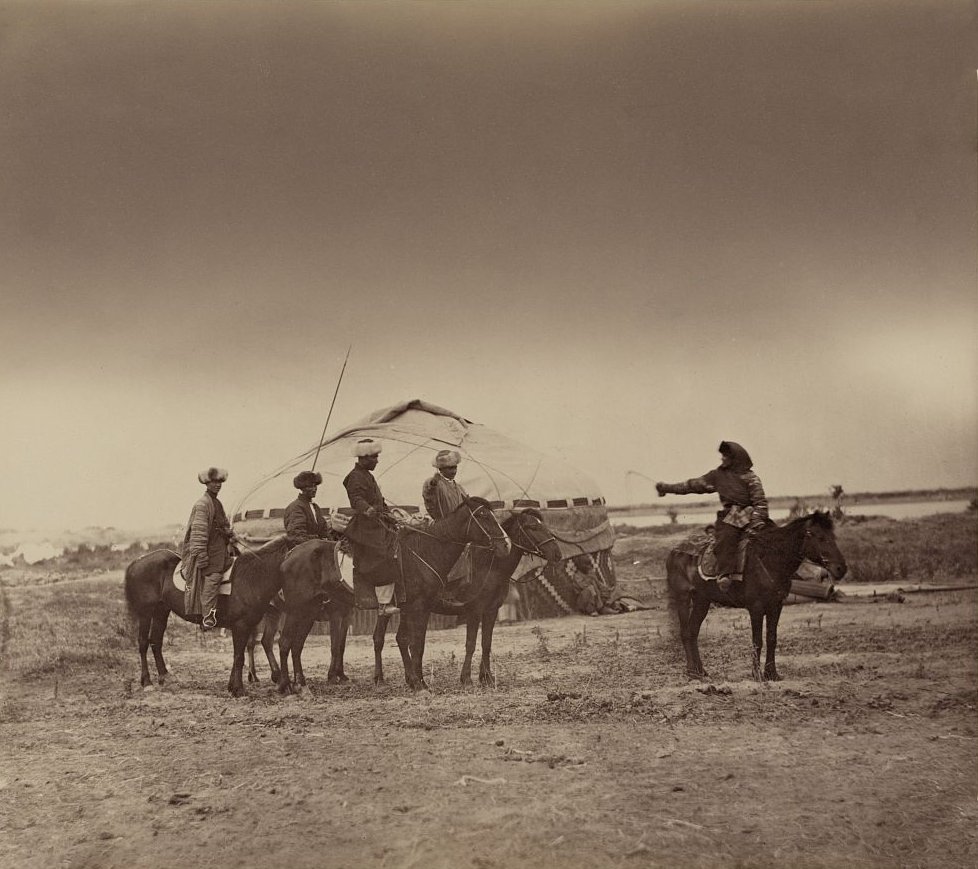 🇰🇬 Kyrgyzstan and 2 moreAla kachuuала качуу
A Kyrgyz custom of taking a woman for marriage, ranging from consensual elopement to forced abduction.Betrothal · Finding a match
 🇮🇳 IndiaChaklong
The traditional Ahom marriage system from Assam involving clan rules and specific ritual exchanges.Rite · Finding a match
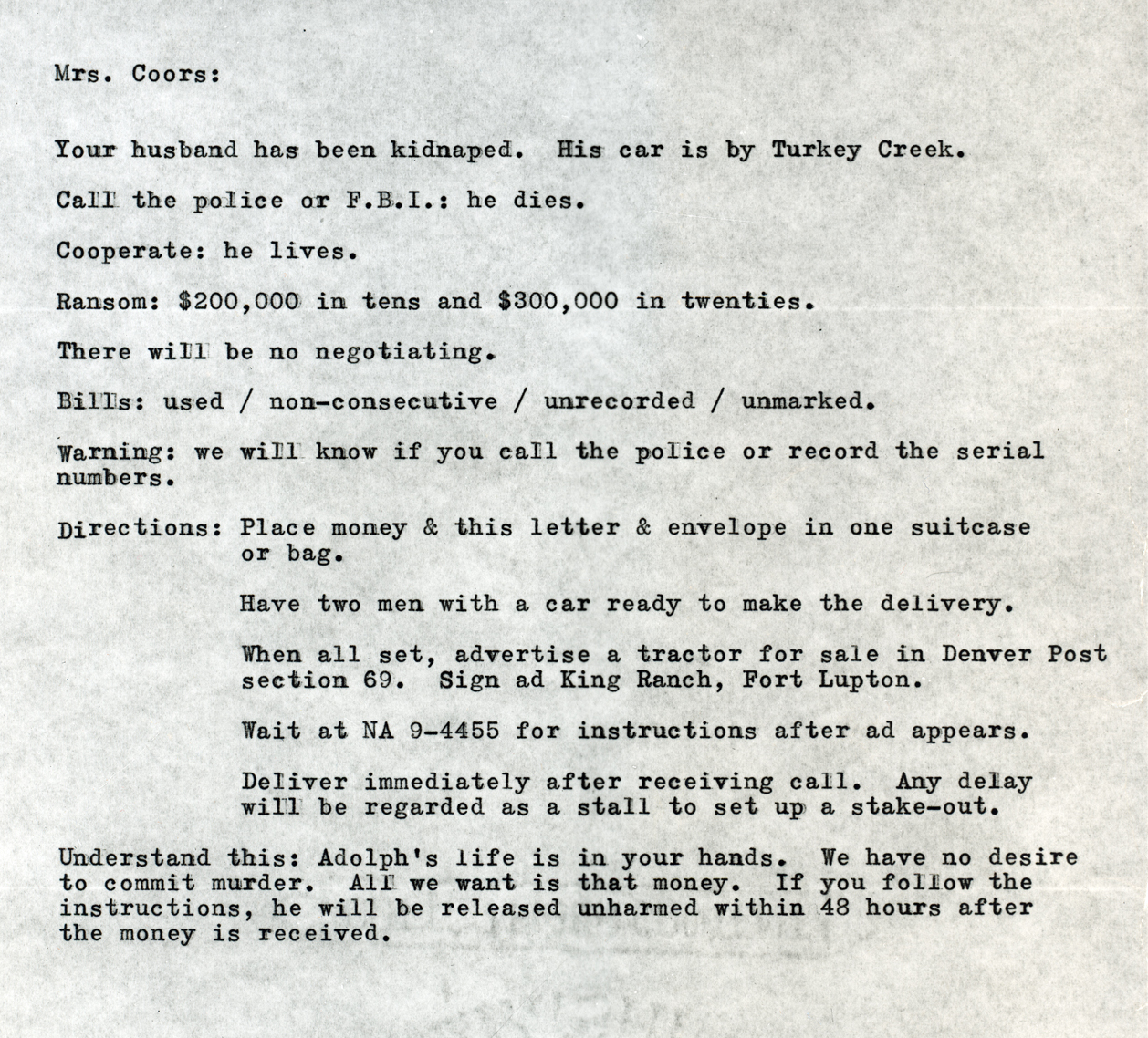 🇿🇦 South AfricaUkuthwalwa
A South African practice of abducting a girl for marriage, once an elopement custom now often illegal and harmful.Betrothal · Finding a match
 🇯🇵 JapanOmiaiお見合い (Omiai)
A traditional Japanese matchmaking process where families or agencies introduce partners for serious consideration.Betrothal · Finding a match
🇭🇺 HungaryVőfély
The Hungarian wedding host who guides the couple through rites, speeches, and traditions.Family role · Finding a match
🇨🇳 ChinaNaked marriage裸婚
A wedding without a house, car, or ring, chosen by couples in China for love and financial reality.Modern · Finding a match
🇵🇪 Peru and 3 moreBride service
Work performed by a groom for his bride's family to secure the marriage unionGift custom · Finding a match
🇵🇭 PhilippinesPamamanhikan
The formal visit where the groom's family asks the bride's parents for her hand in marriage.Betrothal · Finding a match
 🇮🇹 Sicily, ItalyFuitina
A Sicilian elopement custom where couples flee to force family consent for marriage.Betrothal · Finding a match
🇵🇰 Pakistan and 4 moreWatta sattaوٹّا سٹّا (Punjabi), شغار (Urdu)
A reciprocal marriage arrangement where two families exchange sisters and brothers to bind their households together.Betrothal · Finding a match
🇲🇷 Mauritania and 5 moreLeblouhالبلوح
The forced fattening of girls to improve their marriage prospects, a harmful practiceBetrothal · Finding a match
 🇵🇬 Papua New Guinea and 5 moreSister exchange
A marriage arrangement where two brothers each take a sister from the other family as their wife.Betrothal · Finding a match
 🇨🇳 Shanghai, ChinaShanghai Marriage Market人民公园相亲角 (Rénmín Gōngyuán Xiāngqīn Jiǎo)
A weekly gathering in Shanghai where parents trade resumes to find spouses for their unmarried children.Betrothal · Finding a match
 🇨🇳 ChinaTraditional Chinese marriage婚姻 (hūnyīn)
A union between two families governed by Confucian rites and the exchange of gifts.Rite · Finding a match
 🇮🇳 India and 2 moreArranged marriage in the Indian subcontinent
The family-led matchmaking process that shapes most marriages across South Asia.Betrothal · Finding a match
 🇨🇳 Beijing, China and 1 moreMarriage market
Public spaces where families gather to find spouses for their children through listings and brokers.Betrothal · Finding a match
 🇹🇱 Dili, Timor-Leste and 1 moreTimorese wedding traditionsBarlake
The gift exchange and family alliance rituals practiced on the island of Timor.Gift custom · Finding a match
🇨🇦 Montreal, Canada and 2 moreMarriage à la façon du pays
The customary union between European fur traders and Indigenous women in North AmericaBetrothal · Finding a match
🇲🇾 Malaysia and 2 moreIban wedding
The traditional marriage rites of the Iban people in Borneo, involving longhouse announcements and spiritual blessings.Rite · Finding a match
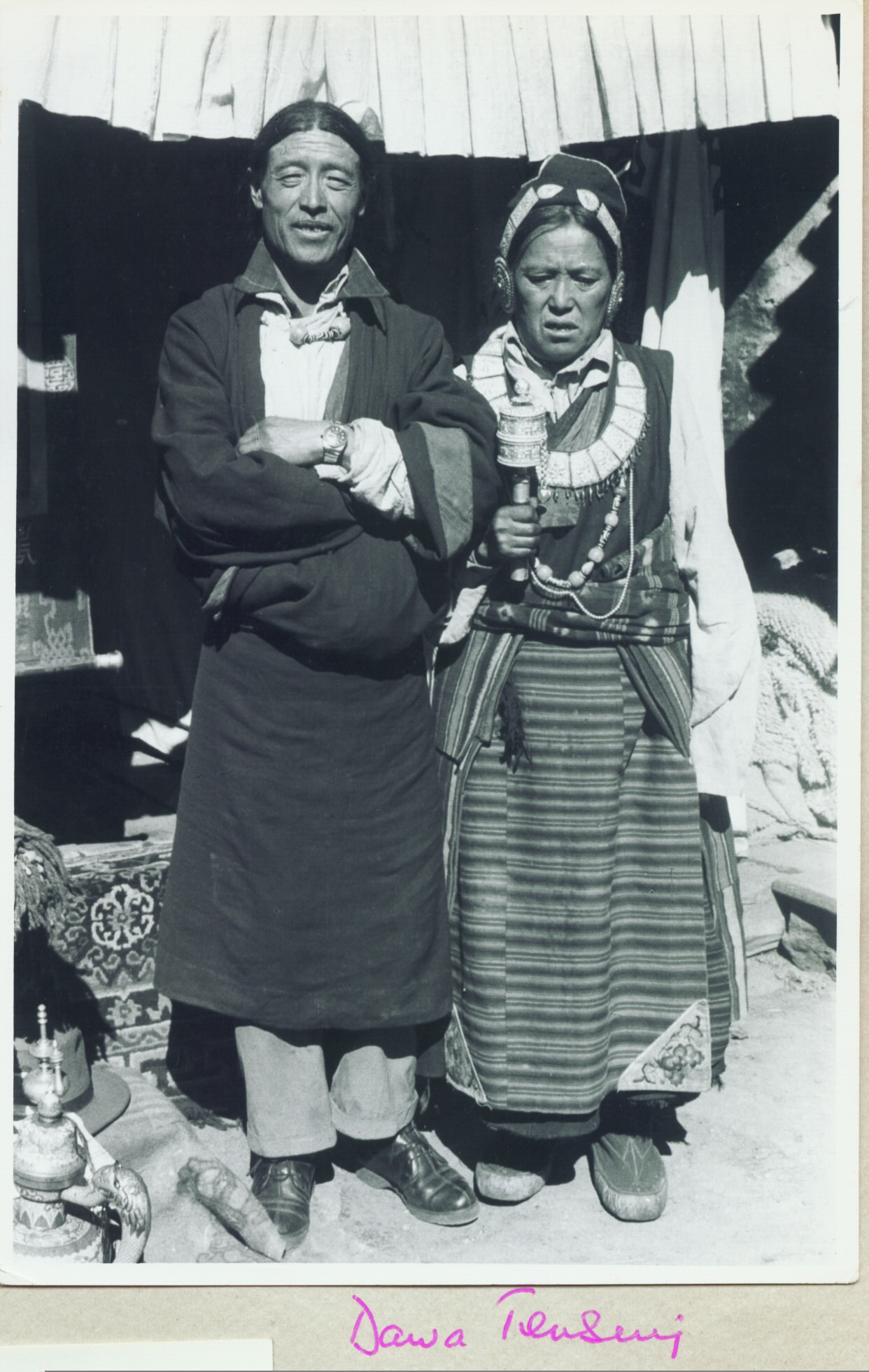 🇳🇵 NepalSherpa marriage
The astrological matching and barley beer offering that binds a Sherpa couple.Betrothal · Finding a match
🇸🇦 Saudi Arabia and 5 moreCousin marriage in the Middle East
A traditional practice of marrying close relatives, especially paternal cousins, across Middle Eastern communities.Betrothal · Finding a match
 🇵🇭 Cebu, PhilippinesCourtship in the Philippines
A traditional Filipino courtship marked by serenade, service, and family involvement.Betrothal · Finding a match
🇯🇵 Japan and 4 morePicture brideNakōdo (仲人) matchmaking; Jungmae gyeolhon (결혼) process
Early twentieth century marriages arranged through photographs between Asian immigrant men and women in Hawaii and the UBetrothal · Finding a match
🇵🇬 Papua New Guinea and 5 moreSister exchange
A marriage arrangement where two brothers each marry a sister from the other family.Betrothal · Finding a match
🇳🇬 Nigeria and 1 moreSurrogate marriage
A woman marries another woman to bear children for her lineage when she cannot have them herself.Betrothal · Finding a match
🇲🇲 Myanmar and 1 moreMayu-Dama
The Kachin kinship system that defines who can marry whom through wife-giver and wife-taker rolesBetrothal · Finding a match
 🇮🇳 Saurath, India and 2 moreSaurath Sabha
The annual Maithil Brahmin gathering in Bihar for arranged marriages based on lineage records.Betrothal · Finding a match
🇯🇵 JapanYobai夜這い
A Japanese tradition of nighttime courtship visits before marriage.Betrothal · Finding a match
 🇵🇰 Pakistan and 5 moreCousin marriage
A union between people who share a grandparent or recent ancestor, practiced in many regions and communities.Vow · Finding a match
Photo credits on this page
The small pictures above come from Wikimedia Commons under free licences. Some are cropped to fit.
- Ukuthwalwa: Federal Bureau of Investigation, Public domain, source
- Omiai: Unknown author, Public domain, source
- Marriage in Korea: Jérôme Banal ( Eden2004 ), CC BY-SA 3.0, source
- Blessing ceremony: Unknown author, Public domain, source
- Sherpa marriage: Dirk Pons, CC BY-SA 3.0, source
- Maithil Vivah: Sntshkumar750, CC BY-SA 4.0, source
- Chaklong: Chiring chandan, CC BY-SA 4.0, source
- Ala kachuu: Illus. in: Turkestanskii al'bom, chast' étnograficheskaia: ..., 1871-1, Public domain, source
- Courtship in the Philippines: Markytour777, CC BY-SA 4.0, source
- Fuitina: Jean Baptiste Lecoeur, Public domain, source
- Sister exchange: Wilses, CC BY-SA 4.0, source
- Matchmaking: Pavel Fedotov, Public domain, source
- Saurath Sabha: Saurath Sabha, CC BY-SA 4.0, source
- Shanghai Marriage Market: Jpbowen, CC BY-SA 4.0, source
- Traditional Chinese marriage: Unknown author, Public domain, source
- Arranged marriage in the Indian subcontinent: Hindustanilanguage, CC BY-SA 3.0, source
- Marriage market: Tim Sheerman-Chase, CC BY 2.0, source
- Cousin marriage: 綾絲, CC BY-SA 4.0, source
- Timorese wedding traditions: ColinTrainor, CC BY-SA 4.0, source