🇪🇹 Wedding traditions of Ethiopia
10 traditions from Ethiopia, best known first, across 2 cities and towns.
Ethiopian weddings are deeply communal and family-organized, with no widespread dating culture. Customs vary significantly among ethnic groups, from Orthodox Christian rites involving seven-generation kinship checks to tribal traditions like the Mareko’s arranged unions and the Bena’s ox-jumping challenges. Marriage is a sacred bond regulated by community elders and religious leaders.
In Ethiopia, marriage is rarely a private choice between two individuals. Families organize unions, and couples seek parental blessing before proceeding. The country’s diverse ethnic groups maintain distinct wedding traditions, ranging from Orthodox Christian ceremonies that trace lineage back seven generations to tribal rites involving symbolic challenges or negotiated agreements. These practices reflect local values, spiritual beliefs, and social structures.
A typical wedding
Most Ethiopian marriages are arranged by families rather than through independent dating. Couples who choose each other still require their parents' approval. In Orthodox Christian communities, elders examine both families' genealogies for up to seven generations to ensure no close kinship exists. Marriages between relatives, godparents, or those linked by marriage are forbidden within this range. The ceremony itself involves vows, ring exchange, and crowning by a priest, with the couple seated while he stands behind them to signify their honored status as king and queen for the day.
Law and registration
The average age of marriage is 18 to 19 for women and 28 to 29 for men nationally. However, some tribes allow younger ages; for instance, Mareko women may marry at 15 to 17. Child marriage remains a practice in certain communities despite national averages. Forced marriage occurs in specific tribal contexts, such as the Mareko's Shokokanecho or Bena's abduction customs. Legal status regarding these traditional practices varies, and international human rights standards often conflict with local norms. Same-sex marriage is not legally recognized in Ethiopia.
Wedding season
Specific seasonal restrictions apply in some communities. Among the Mareko tribe, wedding preparations avoid Fridays and Wednesdays, which are considered unlucky days. Ceremonies are scheduled based on auspicious signs, such as the direction a bird flies or whether a girl carries a full or empty water pot. These omens guide families in deciding whether to proceed with union arrangements. Other tribes do not specify seasonal bans but rely on agricultural cycles or religious calendars for timing.
Gifts and money
Bridewealth, known as telosh in the Bena tribe, is paid by the groom's family to the bride's family. The amount depends on the type of wedding and can extend payments to third-generation relatives. Abduction-based marriages incur higher telosh fees. In the Mareko tradition, respect is shown by kissing the mother's shoulder after parental consent. Gifts and livestock often accompany these payments, reinforcing family bonds and compensating for the loss of the bride's labor.
Communities
Ethiopia's ethnic diversity shapes wedding customs. The Mareko tribe has eight distinct wedding types, including arranged unions (Tewaja) and widow inheritance (Meinbetoma). The Bena tribe requires men to jump over oxen to prove readiness, followed by a three-month diet of meat, honey, and milk. Dasenech customs include four wedding types, though details are limited. Orthodox Christians follow church regulations, while Muslim communities in regions like Wollo have unique musical and ceremonial influences from neighboring cultures.
The facts in this overview come from the Wikipedia article "Wedding customs in Ethiopia", written by its contributors and used under the CC BY-SA 4.0 licence. EveryShaadi rewrote the text in its own words, with AI assistance, and compares every page with the article to make sure no passage is copied. It may be reused under the same CC BY-SA 4.0 licence with a link back.
A wedding in Ethiopia, stage by stage
The customs written up so far, in the order a wedding unfolds.
Cities, towns and villages of Ethiopia
 🇪🇹 Addis Ababa, Ethiopia and 1 moreZuria
The ankle-length dress with woven hem bands worn by Tigrinya and Amhara women for weddings and holidays.Attire · The ceremony
 🇬🇧 United Kingdom and 3 moreCare cloth
A linen or silk sheet held over the couple during a Christian blessing to symbolize their shared yoke.Rite · The ceremony
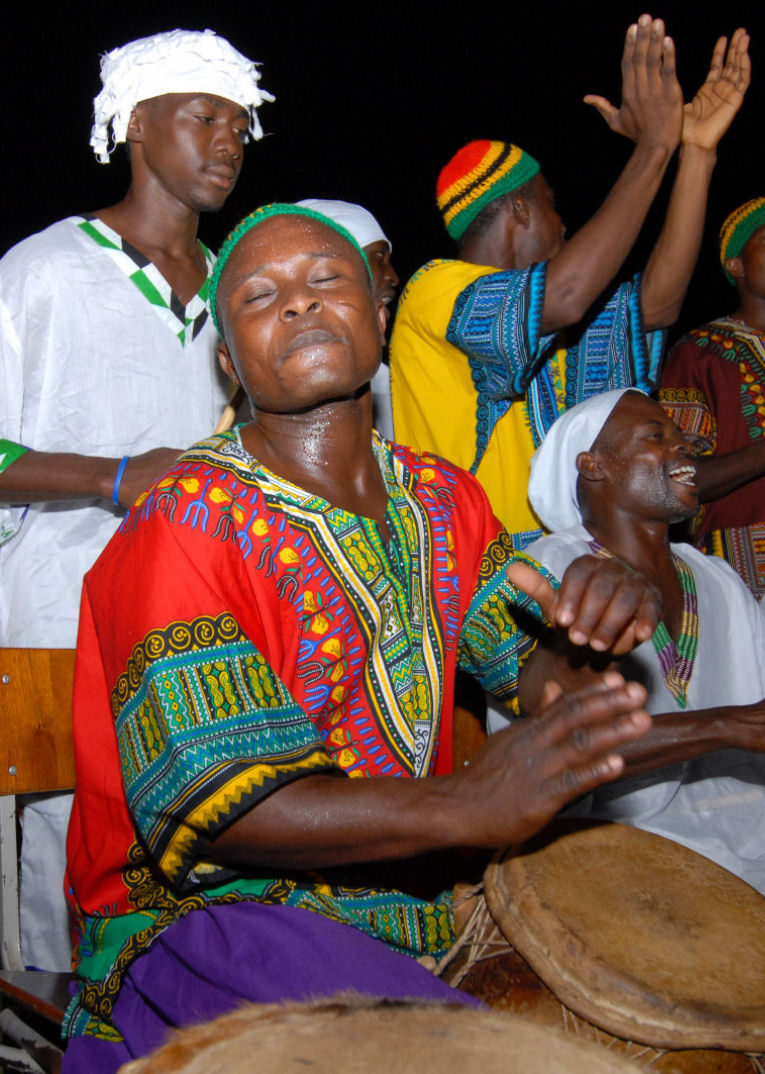 🇳🇬 Nigeria and 5 moreDashiki suit
The tailored tunic and trousers worn by grooms in West African and diaspora weddingsAttire · The ceremony
Photo credits on this page
The small pictures above come from Wikimedia Commons under free licences. Some are cropped to fit.
- Dashiki suit: Emilio Labrador, CC BY 2.0, source
- Care cloth: Unknown author, Public domain, source
- Zuria: Kurt Bauschardt, CC BY-SA 2.0, source