🇰🇬 Wedding traditions of Kyrgyzstan
3 traditions from Kyrgyzstan, best known first, across 1 city and town.
Kyrgyz weddings blend Islamic rites with deep nomadic heritage, marked by the creation of tush kiyiz hangings and the use of felt textiles. While civil registration is standard, the tradition of bride kidnapping remains a contested and illegal practice that persists in some areas.
Marriage in Kyrgyzstan reflects a society shaped by nomadic roots and diverse ethnic influences. The ceremony often integrates Sunni Islamic traditions with ancient customs centered on family honor and textile arts. Guests witness elaborate feasts and symbolic gifts that connect the couple to their ancestors. However, the landscape of marriage is also defined by legal challenges surrounding forced unions and the ongoing effort to preserve national identity through language and craft.
A typical wedding
Ceremonies often follow Sunni Islamic guidelines while incorporating distinct Kyrgyz nomadic elements. A key tradition involves the tush kiyiz, large embroidered wall hangings made by elder women to commemorate the union. These pieces are hung over the couple's bed within a yurt or home, symbolizing pride in their heritage. Feasts feature traditional foods like pilaf and mutton, reflecting the nation's pastoral history. The celebration emphasizes community bonding and the transmission of cultural values through shared meals and storytelling.
Law and registration
Civil registration is required for marriages to be legally recognized in Kyrgyzstan. The country has laws prohibiting certain practices, yet bride kidnapping, known as ala kachuu, remains an illegal but persistent issue. This non-consensual abduction causes significant harm and social tension, despite being outlawed. Legal frameworks aim to protect individuals from forced unions, though enforcement varies. Interfaith and same-sex marriages face complex legal landscapes, with same-sex unions not legally recognized. Authorities continue to address these contested practices through judicial means and public awareness campaigns.
Wedding season
Weddings are held throughout the year, with no single restricted season dictated by climate alone. However, families often consider religious calendars and agricultural cycles when planning dates. Major holidays may see increased activity as communities gather. Conversely, periods of mourning or specific religious observances might lead couples to postpone celebrations. The choice of date often balances modern scheduling needs with traditional beliefs about auspicious times for starting a new life together.
Gifts and money
Exchanging gifts strengthens bonds between the two families involved. Felt items, such as shyrdak rugs and cushions, serve as meaningful presents that showcase local craftsmanship. These textiles are not merely decorative but carry historical significance and represent the skill of the makers. Monetary gifts may also be exchanged, helping the new couple establish their household. The giving of these items is a gesture of respect and support, acknowledging the hard work and artistry embedded in Kyrgyz culture.
As a guest
Guests are expected to dress respectfully, often choosing attire that honors local modesty standards. Bringing a gift of food or a handmade textile item is customary and appreciated. Attendees participate in communal eating, sharing dishes like pilaf and drinking green tea, which is considered the national beverage. Respect for elders and adherence to hospitality norms are crucial. Guests observe rituals with quiet dignity, contributing to the solemnity and joy of the occasion without disrupting the flow of ceremonies.
The facts in this overview come from the Wikipedia article "Culture of Kyrgyzstan", written by its contributors and used under the CC BY-SA 4.0 licence. EveryShaadi rewrote the text in its own words, with AI assistance, and compares every page with the article to make sure no passage is copied. It may be reused under the same CC BY-SA 4.0 licence with a link back.
A wedding in Kyrgyzstan, stage by stage
The customs written up so far, in the order a wedding unfolds.
| Engagement and betrothal | Kyz kuu, Ala kachuu, Bride kidnapping |
|---|---|
| The weeks before | Ala kachuu, Bride kidnapping |
Cities, towns and villages of Kyrgyzstan
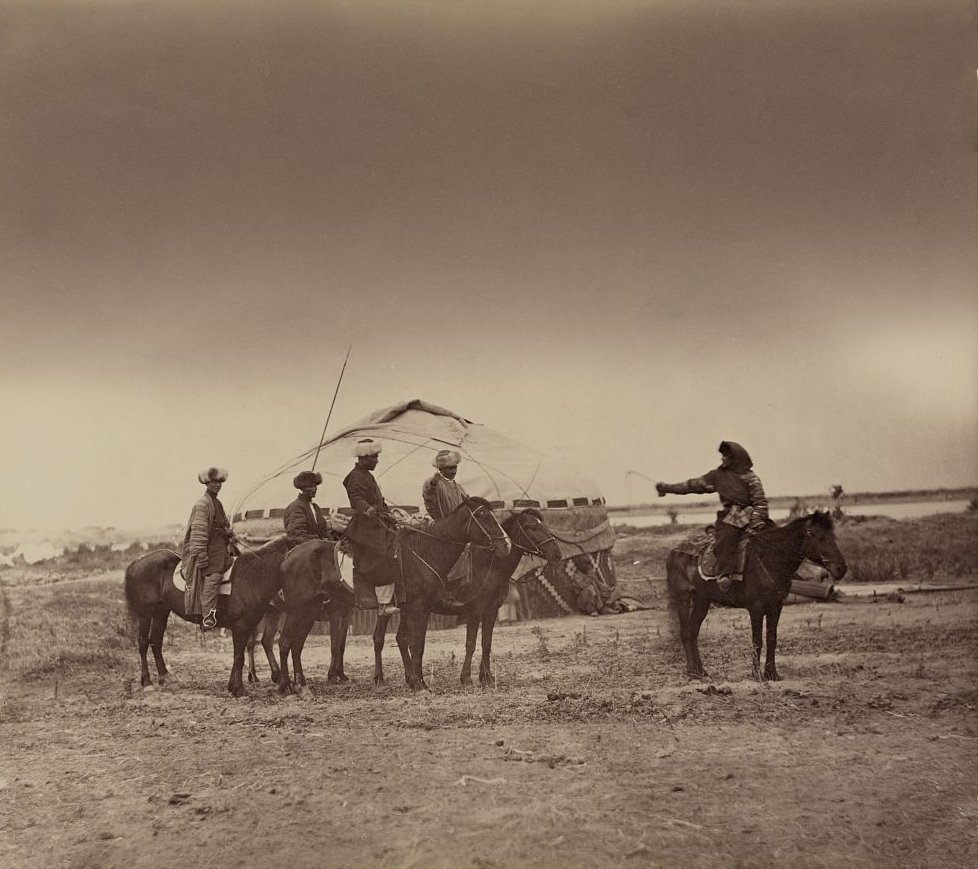 🇰🇬 Kyrgyzstan and 2 moreAla kachuuала качуу
A Kyrgyz custom of taking a woman for marriage, ranging from consensual elopement to forced abduction.Betrothal · Engagement and betrothal
🇰🇬 Kyrgyzstan and 2 moreAla kachuuала качуу
A Kyrgyz custom of taking a woman for marriage, ranging from consensual elopement to forced abduction.Betrothal · Engagement and betrothal
 🇰🇬 Kyrgyzstan and 5 moreBride kidnapping
The abduction of a woman or girl by a man who wishes to marry her, ranging from consensual elopement to violent coercionBetrothal · Engagement and betrothal
🇰🇬 Kyrgyzstan and 5 moreBride kidnapping
The abduction of a woman or girl by a man who wishes to marry her, ranging from consensual elopement to violent coercionBetrothal · Engagement and betrothal
Photo credits on this page
The small pictures above come from Wikimedia Commons under free licences. Some are cropped to fit.
- Ala kachuu: Illus. in: Turkestanskii al'bom, chast' étnograficheskaia: ..., 1871-1, Public domain, source
- Bride kidnapping: Julius Schnorr von Carolsfeld, Public domain, source