Muslim wedding traditions
A Muslim wedding centers on the nikah, a contract between two people with consent, witnesses and a gift to the bride.
A Muslim wedding centers on the nikah, a contract between two people with consent, witnesses and a gift to the bride. The rite itself is short and simple, while the celebrations around it vary enormously by country, language and culture. Much of what is called a Muslim wedding is local custom.
The nikah and the mahr
The nikah requires an offer, an acceptance, two witnesses and the mahr, a gift that belongs to the bride and is stated in the contract. It is conducted by an imam, a qazi or any knowledgeable person, and often includes a short sermon, the khutbah, and a prayer. The couple may add conditions in the nikah nama, such as the right to work, and many do. Schools of law differ on details such as the role of a guardian, and scholars are open about these differences.
Walima and what comes after
The walima is a feast hosted by the groom, based on the example of the Prophet. It may be held a day or more after the nikah. Many families also celebrate a henna night, a procession and a reception, but these are cultural, not required. Some communities keep men and women in separate rooms, others do not.
Cultural diversity
A Moroccan wedding includes the amariya and multiple dresses, an Egyptian one the zaffe, a Pakistani one the mehndi, barat and rukhsati, a Turkish one the kina gecesi, a Malay one the akad nikah and bersanding, and an Indonesian one the siraman, a ritual bath. In Somalia and Sudan other customs hold. In the Gulf a groom's party may cost a great deal, and several governments have capped the amount.
Written by the EveryShaadi desk with AI assistance. Background on Muslim (faith). Customs differ from place to place and family to family. If this is your tradition and we have it wrong, tell us.
 🇵🇰 Hunza, PakistanMayoon
A pre-wedding seclusion period in northern Pakistan where the bride stays apart from her groom.Betrothal · The weeks before
🇾🇪 Yemen and 4 moreKafa'ahالكفاءة (al-kafā'ah)
The Islamic legal principle of social equivalence required for a valid marriage contractVow · Finding a match
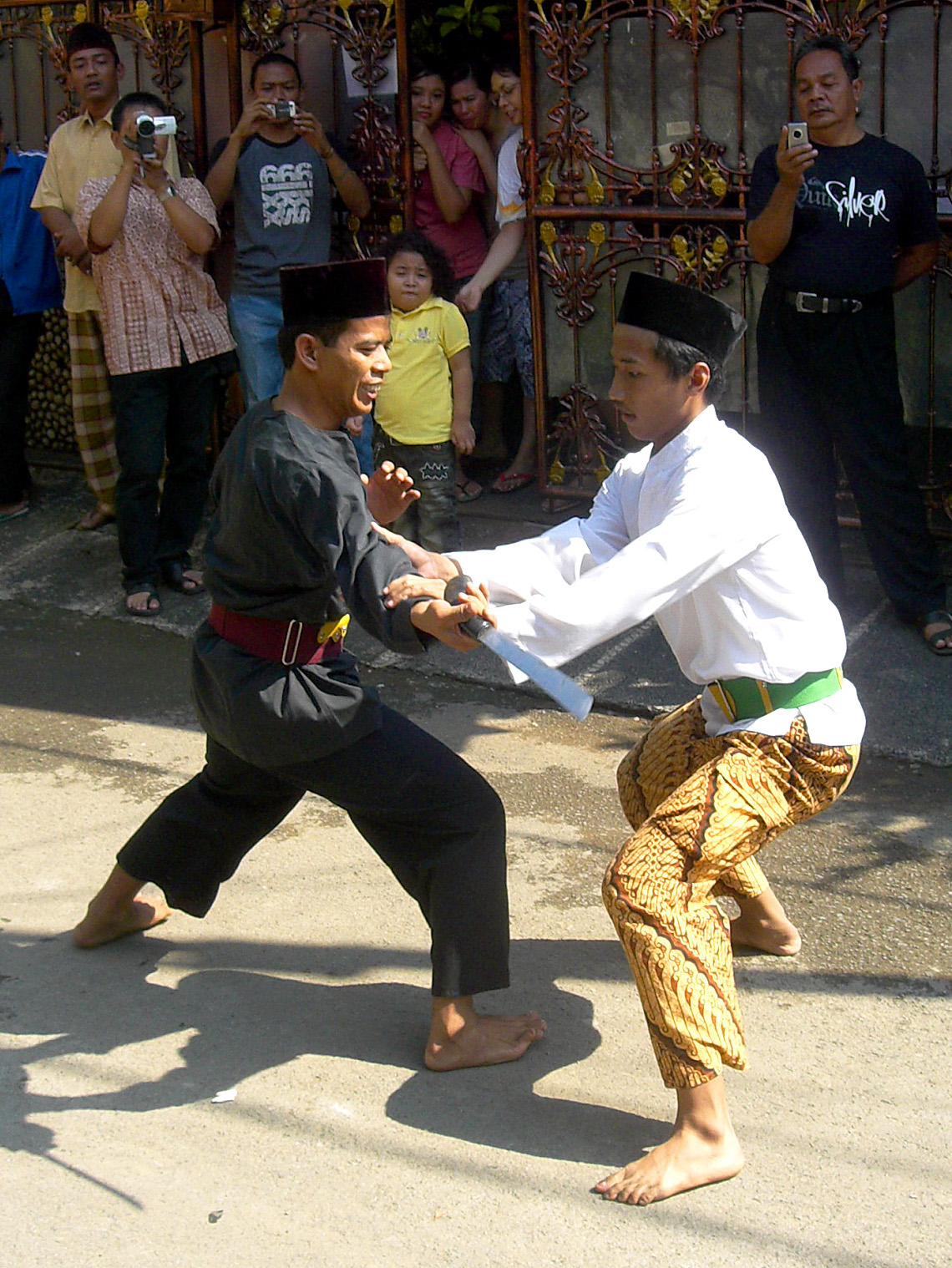 🇮🇩 Jakarta, IndonesiaPalang pintu
A martial arts and poetry test for the groom at a Betawi weddingRite · Procession and arrival
 🇮🇩 Indonesia and 2 moreKenduri
A shared rice meal and prayer gathering that marks weddings and other milestonesFeast custom · The wedding feast
 🇲🇾 Malaysia and 4 moreBaju Kurungباجو كوروڠ
A traditional blouse and skirt worn by Malay women for weddings and official ceremonies.Attire · The ceremony
🇵🇰 Pakistan and 4 moreWatta sattaوٹّا سٹّا (Punjabi), شغار (Urdu)
A reciprocal marriage arrangement where two families exchange sisters and brothers to bind their households together.Betrothal · Finding a match
🇪🇬 EgyptNikah 'urfiنكاح العرفي
An unregistered Islamic marriage contract kept secret from state authorities and often families.Vow · Engagement and betrothal
 🇮🇳 India and 2 moreArranged marriage in the Indian subcontinent
The family-led matchmaking process that shapes most marriages across South Asia.Betrothal · Finding a match
 🇫🇷 France and 5 moreProxy marriage
A ceremony where one or both partners are absent and represented by another person.Vow · The ceremony
 🇮🇷 Iran and 5 moreCollective wedding
A single ceremony where many couples exchange vows and become married at once.Modern · The ceremony
🇪🇬 Egypt and 2 moreMisyar marriageزواج المسيار (zawāj al-misyār)
A Sunni Islamic contract where the wife waives cohabitation and financial support in exchange for a legal union.Vow · Engagement and betrothal
🇮🇱 Israel and 5 moreLevirate marriage
A custom where a man marries his deceased brother's widow to protect her and keep the family line intact.Betrothal · After the wedding
 🇮🇳 India and 5 moreWedding veil
A cloth covering the head or face worn by brides and grooms to mark marriage.Attire · The ceremony
 🇮🇶 Iraq and 1 moreInterdenominational marriage
A wedding between two people of different denominations within the same religion.Vow · Engagement and betrothal
🇺🇸 United States and 5 moreInterfaith marriage
A union between spouses of different faiths, navigating legal and religious boundaries across the world.Vow · Engagement and betrothal
🇦🇫 Afghanistan and 1 moreBaad
A customary settlement where a girl or woman is handed over to an offended household to close a dispute.Gift custom
 🇮🇩 IndonesiaSlametan
A communal Javanese feast that brings neighbors together for peace and social unity.Feast custom · The weeks before
🇸🇦 Saudi Arabia and 5 moreCousin marriage in the Middle East
A traditional practice of marrying close relatives, especially paternal cousins, across Middle Eastern communities.Betrothal · Finding a match
🇬🇭 GhanaPolygamy in Ghana
A practice where a man has multiple wives, recognized under customary law but illegal under civil statutes.Family role · Engagement and betrothal
🇦🇫 Kabul, AfghanistanPolygamy in Afghanistan
The practice of Afghan men taking multiple wives under Islamic and civil law.Family role · Engagement and betrothal
🇱🇰 Kandy, Sri LankaPolygamy in Sri Lanka
The historical and current legal status of multiple marriages under Kandyan and Muslim law.Vow
🇺🇿 UzbekistanPolygamy in Uzbekistan
The practice of men taking multiple wives in a country where the law strictly forbids it.Modern · Engagement and betrothal
🇬🇳 GuineaPolygamy in Guinea
A polygynous marriage structure regulated by Guinean family law since 2019.Gift custom · Engagement and betrothal
🇷🇼 RwandaPolygamy in Rwanda
The traditional practice of men having multiple wives, now illegal but still found in rural areas.Gift custom · Engagement and betrothal
 🇿🇦 South AfricaPolygamy in South Africa
The practice of men marrying more than one wife under customary and Islamic law in South Africa.Vow · Engagement and betrothal
🇧🇭 BahrainPolygamy in Bahrain
A legal marital arrangement where a man may have multiple wives, practiced by a minority of citizens.Modern
🇿🇲 ZambiaPolygamy in Zambia
A legal form of marriage allowing one man to have multiple wives under customary law.Family role · Engagement and betrothal
🇺🇬 Uganda and 3 morePolygamy in Uganda
The legal practice of a man having multiple wives simultaneously in Uganda and neighboring nations.Family role · Engagement and betrothal
🇳🇬 Kano, NigeriaPolygamy in Nigeria
A marital practice where men take multiple wives, legally recognized in twelve northern states under Sharia law.Family role · Engagement and betrothal
🇹🇩 ChadPolygamy in Chad
A legally recognized marriage structure where one husband has multiple wives across Chadian communities.Family role
🇸🇦 Saudi Arabia and 2 morePolygamy in Saudi Arabia
A legal marriage structure allowing a man to have up to four wives under Islamic law.Vow · Engagement and betrothal
🇰🇪 KenyaRecognition of same-sex unions in Kenya
The legal ban on gay marriage alongside traditional female-to-female unions that persist in some communities.Vow · Engagement and betrothal
🇾🇪 YemenPolygamy in Yemen
A legal practice allowing Muslim men to marry up to four wives under specific conditions.Gift custom · Engagement and betrothal
🇮🇩 IndonesiaPolygamy in Indonesia
The legal and customary practice of men having multiple wives across Indonesian faiths and communities.Family role · Engagement and betrothal
🇮🇳 India and 3 moreInter-caste marriage
A union between people of different castes, often contested in South Asia.Vow · Engagement and betrothal
🇾🇪 Yemen and 1 moreUrfi marriageزواج عرفي
A customary union upheld by community tradition instead of state registration.Modern · The ceremony
Photo credits on this page
The small pictures above come from Wikimedia Commons under free licences. Some are cropped to fit.
- Interfaith marriage in Christianity: Andreas Praefcke, CC BY 3.0, source
- Collective wedding: Tribunal de Justiça do Estado do Pará, Public domain, source
- Kenduri: Andreasprasetya, CC BY-SA 4.0, source
- Palang pintu: Gunawan Kartapranata, CC BY-SA 4.0, source
- Slametan: Unknown author, CC BY-SA 3.0, source
- Polygamy in South Africa: Unknown author, CC BY 4.0, source
- Wedding veil: David Ring, CC0, source
- Arranged marriage in the Indian subcontinent: Hindustanilanguage, CC BY-SA 3.0, source
- Baju Kurung: Ministry of Information official photographer, Public domain, source
- Mayoon: katorisi, CC BY-SA 3.0, source
- Proxy marriage: Alejandro Cicarelli, Public domain, source