Wedding news
Dowry and giftsCan groom demand a car as dowry and walk away? What India's law saysDowry and giftsSupreme Court Says Family’s Inability To Pay Dowry Is Relevant, Upholds Acquittal In Dowry Death CaseDowry and giftsLack Of Capacity To Pay Dowry By Itself Won't Discredit Dowry Harassment Allegations : Supreme CourtRitesMustard Moves From the Haldi to the Whole Wedding SeasonMass weddingsMika Singh on returning to Uttarakhand for a mass wedding after Daler Mehndi controversy: My cause is bigMass weddings32 Couples Get Married at Mass Wedding Ceremony in SrinagarLawIn Interfaith Marriage, Registration Under Hindu Marriage Act Is Invalid, Rules Madras High CourtLawMeant To Protect Interfaith Couples, Special Marriage Law Hands Their Plans To Vigilantes & Families In DelhiIndustryDisguised as Guests, 'Undercover Venue Tours' Emerge Amid High Wedding CostsDowry and giftsNiger's Dosso Sultanate Caps Dowries to Ease the Cost of Marriage ‎Dowry and giftsCan groom demand a car as dowry and walk away? What India's law saysDowry and giftsSupreme Court Says Family’s Inability To Pay Dowry Is Relevant, Upholds Acquittal In Dowry Death CaseDowry and giftsLack Of Capacity To Pay Dowry By Itself Won't Discredit Dowry Harassment Allegations : Supreme CourtRitesMustard Moves From the Haldi to the Whole Wedding SeasonMass weddingsMika Singh on returning to Uttarakhand for a mass wedding after Daler Mehndi controversy: My cause is bigMass weddings32 Couples Get Married at Mass Wedding Ceremony in SrinagarLawIn Interfaith Marriage, Registration Under Hindu Marriage Act Is Invalid, Rules Madras High CourtLawMeant To Protect Interfaith Couples, Special Marriage Law Hands Their Plans To Vigilantes & Families In DelhiIndustryDisguised as Guests, 'Undercover Venue Tours' Emerge Amid High Wedding CostsDowry and giftsNiger's Dosso Sultanate Caps Dowries to Ease the Cost of Marriage ‎
EveryShaadi

Veils, crowns and the covered head

Covering or crowning the head of the couple is one of the oldest wedding gestures.

Covering or crowning the head of the couple is one of the oldest wedding gestures. The bride's veil, the groom's turban, the Orthodox crowns, the Indian ghunghat and the Jewish bedeken each carry a meaning that those who keep them can explain. Some hide, some honour, some mark a change of status, and some simply keep the hair tidy and the head warm.

A veil, many meanings

In ancient Rome the bride wore a flame-coloured veil, the flammeum. In the Jewish bedeken the groom veils the bride before the ceremony, recalling Jacob and Rachel. In the Christian West the white veil became a symbol of modesty and purity, and lifting it is the climax of the ceremony. In the Hindu ghunghat, a veil drawn over the face, the bride shows respect for her elders. In many Muslim communities the bride's headscarf or veil is part of her everyday dress and the wedding outfit is chosen to match.

Crowns, turbans and wreaths

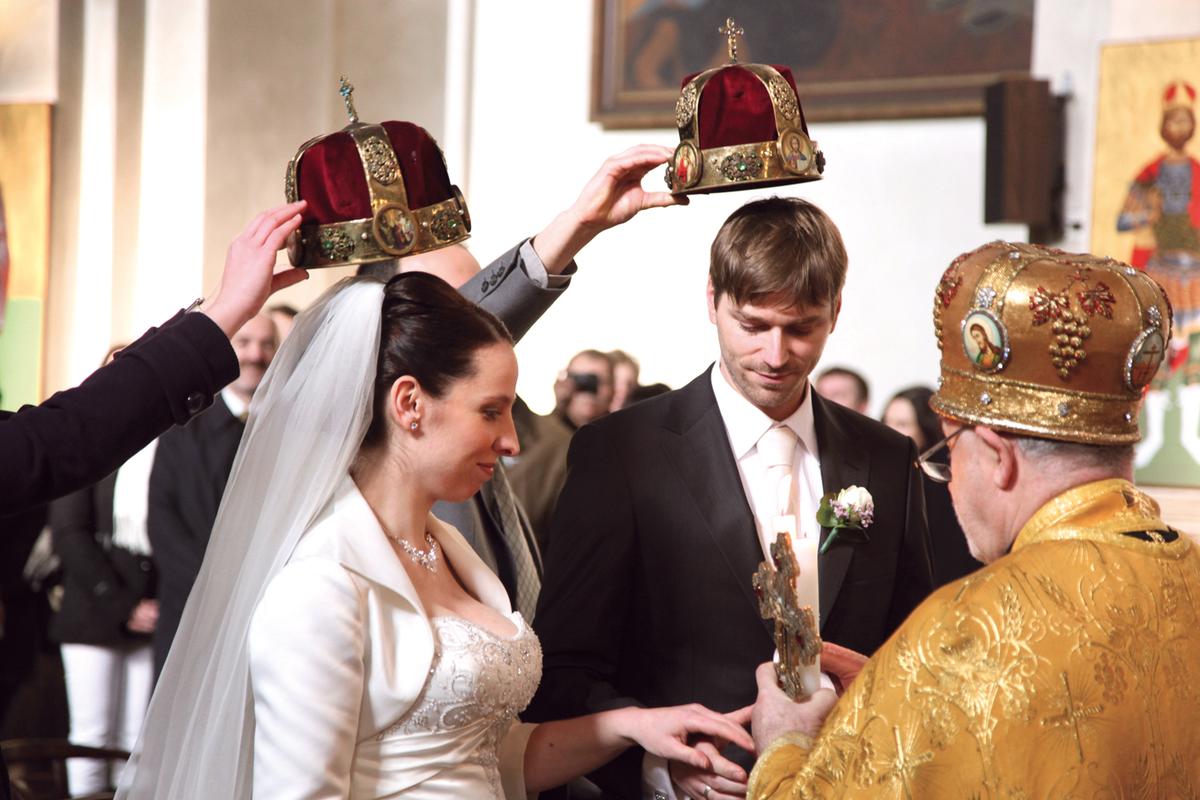
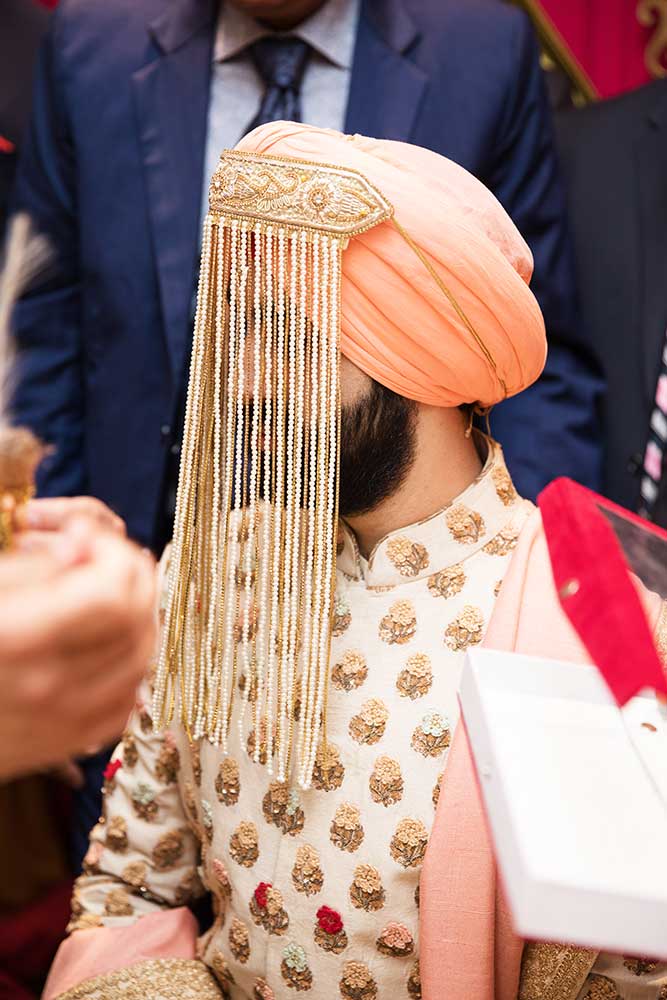
Crowns raise the couple to a kind of royalty for a day. Orthodox Christians crown the pair with stefana, linked by a ribbon. Scandinavian brides wear silver crowns, Polish and Ukrainian brides wear wreaths of flowers and herbs, and Greek brides have crowns tied to each other. Grooms may wear the safa or turban in North India, the sehra of flowers or beads hanging from the turban, and a ceremonial hat in Korea, Japan and Central Asia.

Why cover the head

Reasons given include modesty, respect for elders, protection from the evil eye, a sign of being between two states and a way of marking the bride as someone special on the day. For some communities it is a religious requirement, for others a family habit. In many places the veil is lifted only when the vows are made, so the face is the surprise.

How it is changing

Brides today choose long, short or no veils, flower crowns or jewelled hair combs, and the veil may be an keepsake. Women who cover their hair every day may choose a decorated headscarf for the wedding. Debates about veiling in public life are separate from the ritual veil, and what a wearer thinks it means is what counts.

Veils, crowns and the covered head around the world

🇮🇳 India

In many North Indian communities the bride's face is covered by the ghunghat or an odhni, and the groom wears a sehra of flowers or pearls over his face that is removed before the ceremony. The sehra is a blessing and a defence against the evil eye.

Read: Sehra

🇵🇰 Pakistan

The bride's face is covered by a dupatta, and the couple are shown a mirror under a shawl in the rite of arsi mushaf. The Quran is placed before them as a blessing.

Arsi Mushaf, being written

🇹🇭 Thailand

In the Thai Buddhist rite, the couple's heads are joined by the mongkhon, a pair of linked cords, and water is poured over their hands from a conch shell. It is blessed by monks and elders.

Sai Monkhon, being written

🇨🇳 China

The Han bride wore a red cloth, the hong gaitou, over her head to the groom's house, where the groom lifts it with a rod or a fan. The phoenix crown and a red veil are now used mostly as costume.

Chinese marriage, being written

🇯🇵 Japan

The shiromuku bride wears the wataboshi, a large white hood, or the tsunokakushi, which hides the "horns". The reason given is to hide jealousy and to show humility before her new family.

Read: Tsunokakushi

🇬🇪 Georgia

In an Orthodox wedding the priest places crowns on the heads of the bride and groom and exchanges them three times. In the Svan highlands, brides wear a heavy decorated headdress.

Stefana, being written

Compare all 15 places

Traditions to start with

Also part of it, and being written: Bridal veil (The history of the wedding veil.), Bedeken (The Jewish veiling of the bride.), Stefana (The Orthodox wedding crowns.), Sai Monkhon (The Thai head-linking cord.), Oczepiny (The Polish capping of the bride.).

Questions people ask

Why does the bride wear a veil?

Reasons given include modesty, a sign of a change in status, protection from the evil eye, and the surprise of the first look. For many people today it is simply part of the dress.

Do grooms wear veils or crowns?

In several traditions, yes: the Indian sehra, the Orthodox crown, the Korean hat and the Central Asian skullcap.

Is a veil the same as hijab?

No. A wedding veil is part of the ceremony, while hijab is a religious head covering worn in daily life by many Muslim women. Some brides wear both.

What does lifting the veil mean?

In Western weddings it marks the moment the couple are united. In others it is the first time the groom sees the bride's face.

About this page

Written by the EveryShaadi desk with AI assistance. Customs differ from place to place and family to family. If this is your tradition and we have it wrong, tell us.
Veils, crowns and the covered head on EveryShaadi

The traditions written up so far, best known first.

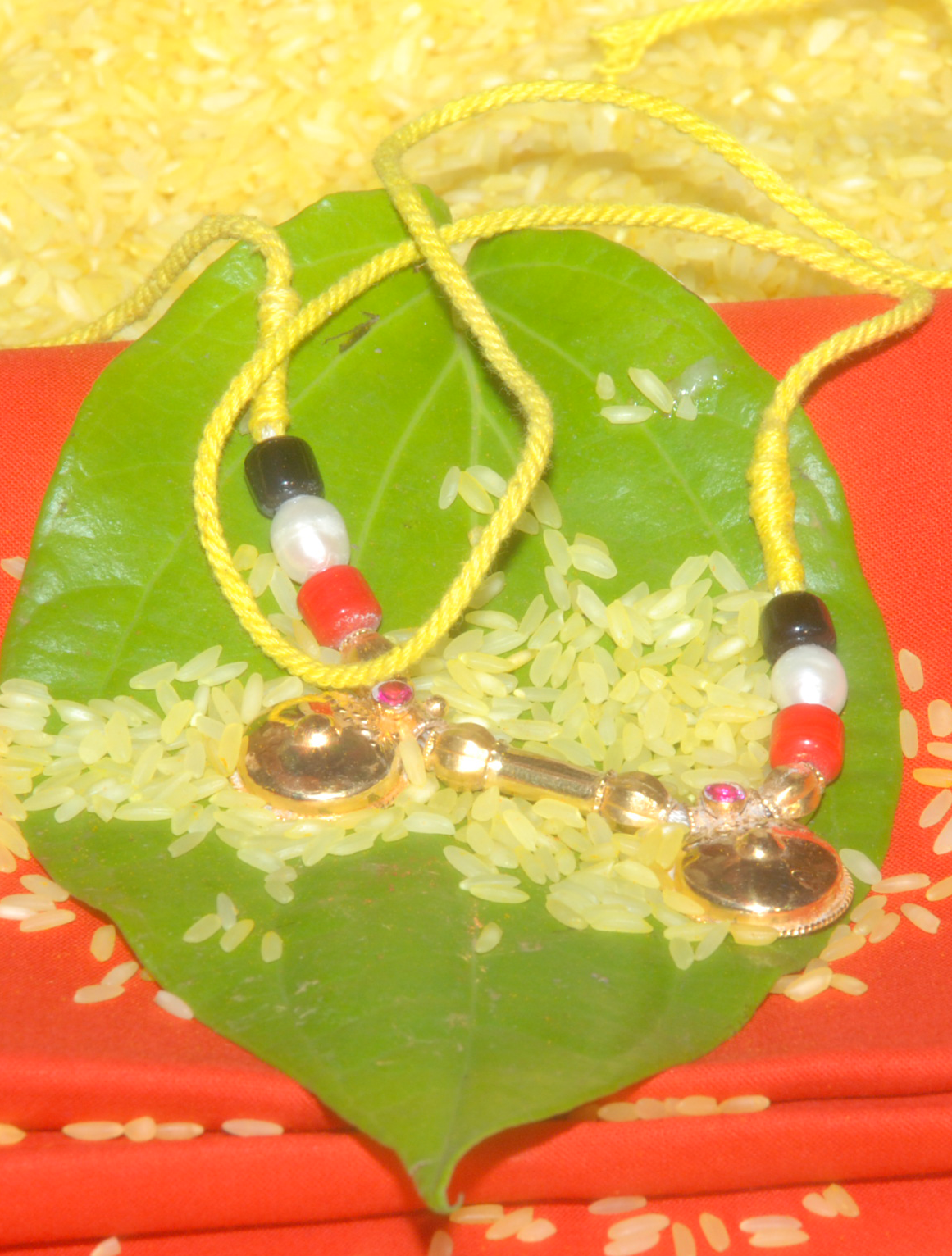
🇪🇸 Spain and 3 moreMantilla A lace or silk veil worn over the head and shoulders by women in Spain and Latin America for church and weddings.Attire · The weeks before 🇮🇹 Rome, ItalyAncient Roman wedding A veiled Roman bride, omens checked, was led from her family home to her groom's house.Rite · The weeks before 🇲🇾 Malaysia and 4 moreBaju Kurungباجو كوروڠ A traditional blouse and skirt worn by Malay women for weddings and official ceremonies.Attire · The ceremony 🇳🇬 Nigeria and 3 moreGeleGèlè The towering Yoruba headtie that elevates the wearer and honors the sacred head.Attire · Procession and arrival 🇷🇺 RussiaEastern Orthodox marriage A priest blesses rings, then crowns the couple in a two-part sacred riteRite · Engagement and betrothal 🇮🇱 Jerusalem, Israel and 3 moreJewish wedding The ceremony and laws that bind a couple in Jewish marriage, from the canopy to the glass.Rite · Engagement and betrothal 🇺🇦 UkraineTraditional Ukrainian weddingвесілля (vesill'a) A multi-day Ukrainian folk ceremony blending ancestral rites, religious blessings, and family exchanges.Rite · Finding a match 🇬🇧 United Kingdom and 2 moreWhite wedding A formal Western marriage style marked by a white dress and structured ceremony.Attire · The weeks before 🇨🇳 ChinaHonggaitou紅蓋頭 The red bridal veil worn by Han Chinese brides to cover their faces before the wedding night.Attire · Procession and arrival 🇨🇳 China and 2 moreChinese pre-wedding customs三書六禮 (sàam syù luhk láih) The six traditional rites from the Book of Rites that guide betrothal, gift exchange, and date selection in Chinese weddBetrothal · Finding a match 🇮🇱 Israel and 3 moreChuppahחֻפָּה (ḥuppā) The four-poster canopy that marks the Jewish wedding ceremony and symbolizes the couple's new home.Setting · The ceremony 🇬🇧 United Kingdom and 3 moreCare cloth A linen or silk sheet held over the couple during a Christian blessing to symbolize their shared yoke.Rite · The ceremony 🇷🇺 RussiaRussian wedding traditions A multi-day celebration blending Orthodox rites, civil registration, and lively folk customs in Russia.Rite · Engagement and betrothal 🇮🇳 India and 2 moreMangalsutraमङ्गलसूत्रम् (maṅgalasūtram) The sacred necklace tied around the bride's neck to mark her marriage.Adornment · The ceremony 🇬🇧 United Kingdom and 5 moreWedding superstitions Traditional beliefs about luck and omens that shape wedding rituals across culturesAttire · The weeks before 🇮🇳 IndiaOdia Hindu weddingBahaghara (ଓଡ଼ିଆ ବାହାଘର) The traditional Hindu marriage ceremony of the Odia people in India.Rite · Engagement and betrothal 🇺🇦 Kyiv, Ukraine and 2 moreOchipokочіпок The embroidered cap that covers a Ukrainian bride's hair to mark her new status as a married womanAttire · The ceremony 🇯🇵 JapanTsunokakushi角隠し A white silk headdress worn by Shinto brides to cover the hairline and symbolize modesty.Attire · The ceremony 🇮🇳 Delhi, India and 4 moreSindoorसिंदूर (Hindi) The vermilion powder a Hindu husband applies to his wife's hair parting to mark her marriage.Adornment · Engagement and betrothal 🇮🇳 India and 5 moreWedding veil A cloth covering the head or face worn by brides and grooms to mark marriage.Attire · The ceremony 🇨🇳 China and 1 moreTuanshan團扇 (tuánshàn) A rigid silk fan held by the bride to hide her face before revealing it to the groom.Adornment · The ceremony 🇮🇳 India and 2 moreNose jewelNath A nose piercing ornament that signals marital status and social standing in South Asia and beyond.Adornment · The weeks before

Photo credits on this page

The small pictures above come from Wikimedia Commons under free licences. Some are cropped to fit.

The weekly EveryShaadi

Every week: one wedding tradition from somewhere new, the wedding days coming up around the world, and one idea explained.