🇮🇱 Wedding traditions of Israel
21 traditions from Israel, best known first, across 3 cities and towns.
Marriage in Israel is governed exclusively by religious authorities, meaning couples must marry within their recognized faith community. Interfaith and same-sex unions are not performed domestically but are recognized if conducted abroad or via remote video link. This system creates distinct pathways for Jewish, Muslim, Druze, and Christian citizens.
Weddings in Israel follow strict religious protocols defined by the millet system inherited from Ottoman rule. Couples cannot choose a civil ceremony locally; they must marry under the auspices of their specific confessional community. This structure shapes every aspect of the legal and social wedding experience, from eligibility to registration.
A typical wedding
Jewish couples often attend family purity classes before marrying, regardless of their personal religiosity. The Chief Rabbinate oversees these unions, applying halakhic rules that restrict who can wed whom. For instance, a kohen cannot marry a convert, and children of certain prohibited unions face marriage limits. Since 2013, the Tzohar Law allows Jews to choose any rabbi recognized by the state, rather than being bound to their local community rabbi. Prenuptial agreements are increasingly common to protect spouses during potential divorces. Muslim and Druze communities conduct their own religious ceremonies under their respective courts. Christian denominations also perform weddings according to their specific rites. All ceremonies require documentation submitted to the Interior Ministry for final registration.
Law and registration
The state recognizes only marriages performed by authorized religious authorities for Jewish, Muslim, Druze, and ten Christian groups. Interfaith marriages between different religions or same-sex marriages cannot be performed within Israel. Citizens attempting to marry without government notification face criminal penalties, including up to two years in jail. However, the state recognizes civil, interfaith, and same-sex marriages conducted abroad. Many Israeli residents travel to Cyprus or use remote videotelephony services, such as those in Utah, to legalize these unions. Courts have de facto recognized these remote marriages since 2023. This legal framework forces many couples to seek alternatives outside the domestic religious monopoly.
Wedding season
Specific seasonal restrictions are not detailed in the provided sources. Marriage rates vary significantly across social groups, with higher frequencies among Orthodox Jews and Muslims compared to secular Jews. Over half of Israelis marry before age twenty-five. The average age for first marriage stands at thirty for men and twenty-eight for women. These demographic trends influence when weddings occur throughout the year, though specific holy days or avoided seasons are not specified in the text.
Gifts and money
The sources do not provide details on traditional gifts, monetary exchanges, or financial responsibilities between families. While prenuptial agreements are mentioned as legal tools to ensure financial fairness during divorce, customary gift-giving practices remain unrecorded in the provided material. Readers seeking information on dowries, bride prices, or specific ceremonial gifts will find no data in this overview.
As a guest
Guest attire and behavioral expectations are not described in the available texts. The cultural context notes a strong family-oriented society with diverse influences from Ashkenazi, Sephardi, Mizrahi, Russian, and Ethiopian traditions. However, specific guidelines for what guests should wear, bring, or how they participate in rituals are absent. Visitors relying on this summary will need to consult community-specific guides for etiquette details.
Communities
Israel’s population includes diverse groups such as Ashkenazi, Sephardi, Mizrahi, Russian, Ethiopian, Arab, Druze, and Circassian communities. Each group maintains distinct cultural networks and traditions. Jewish marriages are strictly regulated by the Chief Rabbinate, which does not recognize non-Orthodox conversions. Arab Muslims and Druze operate under their own religious courts. Christian weddings follow one of ten recognized denominations. Minimal cultural exchange exists between Jewish and Arab populations, yet both contribute to the nation’s varied heritage. These distinctions ensure that wedding practices remain deeply rooted in specific communal identities.
The facts in this overview come from the Wikipedia article "Marriage in Israel", written by its contributors and used under the CC BY-SA 4.0 licence. EveryShaadi rewrote the text in its own words, with AI assistance, and compares every page with the article to make sure no passage is copied. It may be reused under the same CC BY-SA 4.0 licence with a link back.
A wedding in Israel, stage by stage
The customs written up so far, in the order a wedding unfolds.
Cities, towns and villages of Israel
 🇮🇱 Jerusalem, Israel and 3 moreJewish wedding
The ceremony and laws that bind a couple in Jewish marriage, from the canopy to the glass.Rite · Engagement and betrothal
🇮🇱 Jerusalem, Israel and 3 moreJewish wedding
The ceremony and laws that bind a couple in Jewish marriage, from the canopy to the glass.Rite · Engagement and betrothal
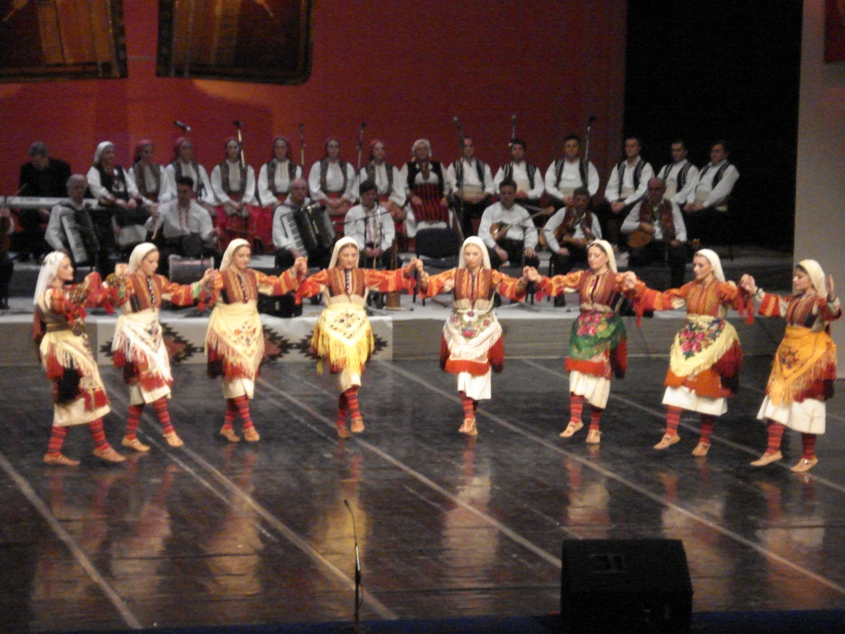 🇷🇴 Romania and 7 moreHorahora (Romanian), horo (Bulgarian), oro (Macedonian), horah (Hebrew)
A circle dance held at weddings across Southeast Europe and among Jewish communities worldwide.Performance · Reception, dance and gifts
🇷🇴 Romania and 7 moreHorahora (Romanian), horo (Bulgarian), oro (Macedonian), horah (Hebrew)
A circle dance held at weddings across Southeast Europe and among Jewish communities worldwide.Performance · Reception, dance and gifts
Photo credits on this page
The small pictures above come from Wikimedia Commons under free licences. Some are cropped to fit.
- Jewish wedding: Jozef Israëls, Public domain, source
- Hora: Chajeshukarie ( talk ), Public domain, source