Wedding dress and clothing
What the couple and the guests wear, and why: the white dress, the red sari, the kimono, the kente.
What the couple and their guests wear is the most visible part of a wedding. Dress carries meaning in its colour, cloth, cut and the person who makes or lends it. There is no single wedding outfit. There is a red sari, a white gown, a kimono, a hanbok, a kente cloth and a suit, each rooted in a place and often in a family.
Colour and cloth
White became the fashion for Western brides after Queen Victoria wore it in 1840, though it was not the universal choice before. In India red is the traditional colour of the bride, in a silk sari, lehenga or the Banarasi weave, and in China red is used for luck, in the qipao or the two-piece qungua. In Japan the shiromuku is white and the uchikake over it may be red or gold. In Ghana and Nigeria families may choose coordinated kente or aso ebi cloth. In Morocco the bride may change outfits several times in the amariya chair.
The groom and the guests
Grooms wear sherwanis in North India, barong tagalog in the Philippines, the kilt in Scotland, the morning coat in formal English weddings, and the dishdasha or bisht in the Gulf. Guests follow rules too: no white at a Western wedding, no black at many Asian ones, a head covering at a Sikh gurdwara or a Greek church, and bright colour at a Nigerian celebration where matching cloth shows the family you belong to.
What is changing
Brides wear colours other than white, rent or borrow dresses, restyle a mother's outfit, or wear trousers. Same-sex couples choose from every tradition. Fast fashion and sustainability concerns have pushed more people to rent or alter existing garments. Handloom weavers and embroiderers have also benefited from a renewed interest in heritage fabric.
Written by the EveryShaadi desk with AI assistance. Background on Wedding dress and clothing (kind of custom). Customs differ from place to place and family to family. If this is your tradition and we have it wrong, tell us.
 🇹🇳 Tunis, TunisiaTunisian jebbaجبة
A loose traditional tunic worn by Tunisian men and women for weddings and festivals.Attire · Procession and arrival
 🇵🇱 Poland and 3 moreEaster palmPolish: palma wielkanocna; Lithuanian: verba
A decorated willow or juniper bundle blessed on Palm Sunday to protect homes and crops.Blessing · The weeks before
🇮🇩 Palembang, IndonesiaSeting clothes and Cual cloth
The red velvet top and intricate ikat skirt worn by Bangka Belitung brides and grooms.Attire · The ceremony
🇮🇷 Bojnord, Iran and 1 moreTurkmen embroidery
Intricate silk embroidery on wedding and daily wear that marks territorial identity and family skill.Attire · The weeks before
 🇦🇿 Azerbaijan and 1 moreKelaghayiKəlağayı
A traditional silk headscarf exchanged as a marriage proposal and worn at henna parties in Azerbaijan and Armenia.Attire · Engagement and betrothal
 🇩🇪 GermanyBollenhut
A straw hat with woolen pompoms worn by women in specific Black Forest villages as part of their traditional dress.Attire · The weeks before
 🇷🇴 Ieud, RomaniaNunta mortului
A symbolic Romanian rite that dresses an unmarried dead person as a bride or groom to complete their life cycle.Rite · The weeks before
 🇰🇷 Gwangju, South KoreaGeommu검무 (Geommu)
A graceful Korean sword dance performed with dual short swords and traditional musicPerformance
 🇵🇭 Quezon City, PhilippinesBinukot
A Visayan custom of secluding young noblewomen to preserve their purity and elevate their marriage value.Betrothal · The weeks before
 🇩🇪 Germany and 5 moreLenten veilFastentuch
A large painted or embroidered canvas that covers the altar during Lent to create a period of visual penance.Rite · The weeks before
 🇮🇳 Jaipur, IndiaGhoomarघूमर
A twirling folk dance performed by women in Rajasthan to welcome a bride or celebrate auspicious occasions.Performance · The ceremony
 🇮🇷 Isfahan, IranDebit trousersShalvār Debit (شلوار دبیت)
The wide black cotton trousers worn by Bakhtiari men as a badge of tribal identity.Attire · The ceremony
 🇨🇳 China and 4 moreCloud collar云肩 (yúnjiān)
A detachable shoulder collar worn by Han Chinese brides to frame the face and symbolize cosmic order.Attire · The weeks before
 🇩🇿 Tlemcen, AlgeriaChedda of Tlemcenشدة تلمسانية (Shadda Tlimsānī)
The velvet and gold kaftan worn by brides in Tlemcen, Algeria, for their wedding ceremony.Attire · The ceremony
 🇨🇳 ChinaPhoenix crown凤冠 (Fèngguān)
A traditional Chinese bridal headdress adorned with pearls, gemstones and kingfisher feathers.Attire · The ceremony
 🇨🇳 ChinaZaju chuishao fu杂裾垂髾服
A layered hanfu style worn by elite Chinese women, featuring wide sleeves and flowing ribbon hems.Attire
 🇨🇾 Pano Lefkara, CyprusLefkara laceLefkaritika
The intricate white cotton embroidery from Cyprus that forms a bride's essential dowry collection.Attire · Engagement and betrothal
 🇳🇬 Nigeria and 1 moreOkpu Aguokpu agụ
A traditional knitted cap worn by Igbo men at weddings and ceremonies to signal status and heritage.Attire · The ceremony
 🇰🇪 Kenya and 1 moreAdumuEnkipaata or Aigus
The high-jumping warrior dance performed by the Maasai at weddings and rites of passage.Performance · The ceremony
🇮🇳 IndiaLohepfhe
A black shawl with red and green bands worn by Angami and Chakhesang Naga men at weddings.Attire · The ceremony
 🇨🇳 China and 1 moreXiapei霞帔
The embroidered scarf or waistcoat that marks a woman's status in Chinese and Korean weddingsAttire · Engagement and betrothal
🇵🇰 Peshawar, PakistanPeshawari chappal
A traditional leather sandal with crossed straps, worn by men at Pakistani weddings.Attire
 🇳🇱 NetherlandsPoffer
The elaborate white headdress worn by married women in the Netherlands to mark their status.Attire · Engagement and betrothal
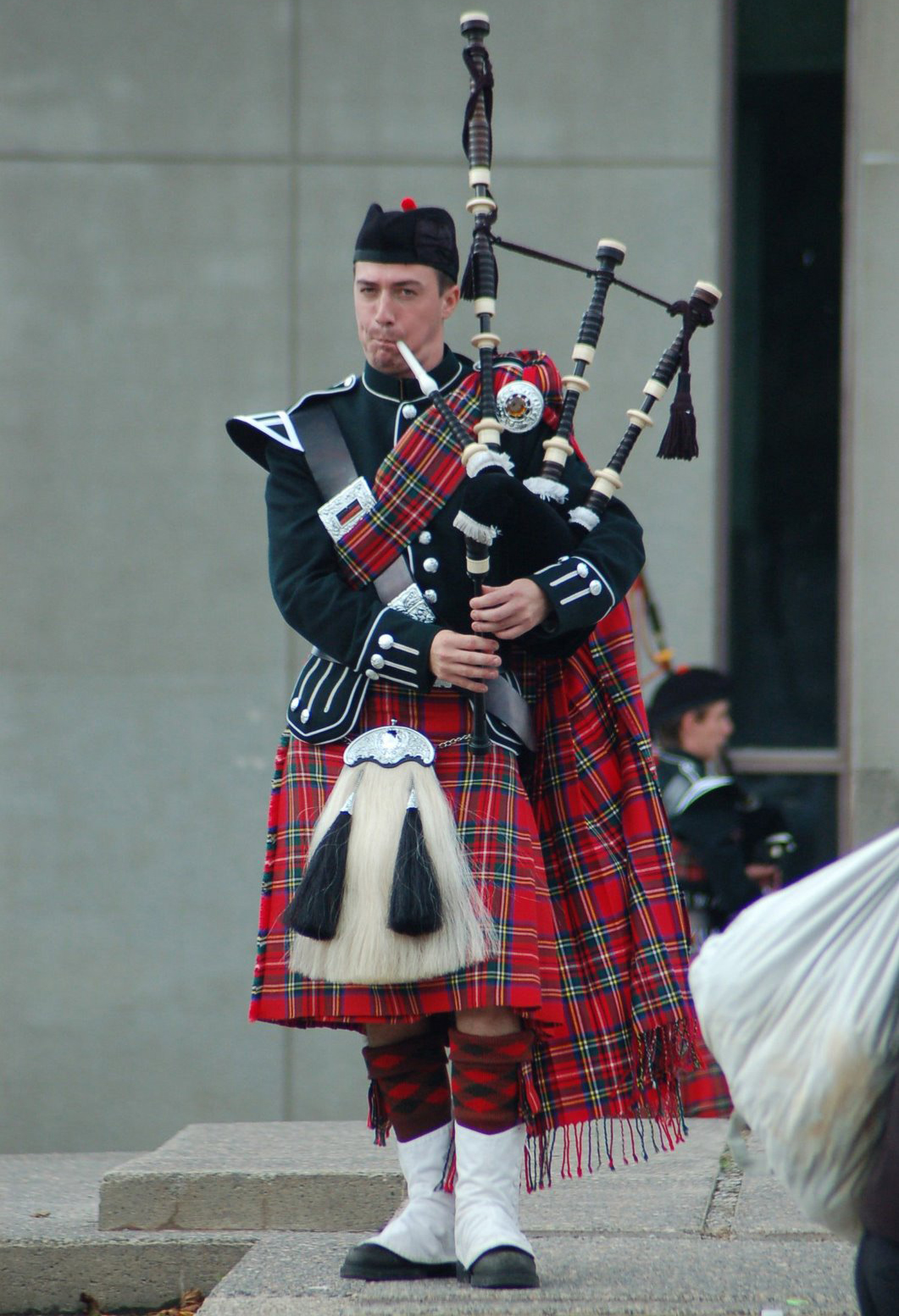 🇬🇧 United KingdomFull plaid
A long tartan mantle worn over the shoulder in Scottish Highland dress and military uniforms.Attire
 🇺🇦 UkraineWax wedding head wreathвосковий вінок
A paraffin and paper bridal crown worn in parts of Ukraine until the late twentieth century.Attire · The ceremony
 🇮🇩 IndonesiaKawung batikBatik Kawung
A traditional Indonesian textile pattern inspired by the kawung fruit and lotus flower.Attire · The ceremony
🇰🇷 South KoreaChaesang채상 (Chaesang)
Woven bamboo boxes used to store dowry items in traditional Korean weddingsGift custom · Engagement and betrothal
 🇻🇳 Huế, VietnamÁo nhật bình
A rectangular-collared court robe worn by Nguyễn dynasty women for weddings and ceremonies.Attire · The ceremony
 🇮🇳 Firozabad, India and 1 moreBangle
A rigid circular bracelet worn by women in South Asia and beyond, often marking marital status or festive occasions.Adornment · The ceremony
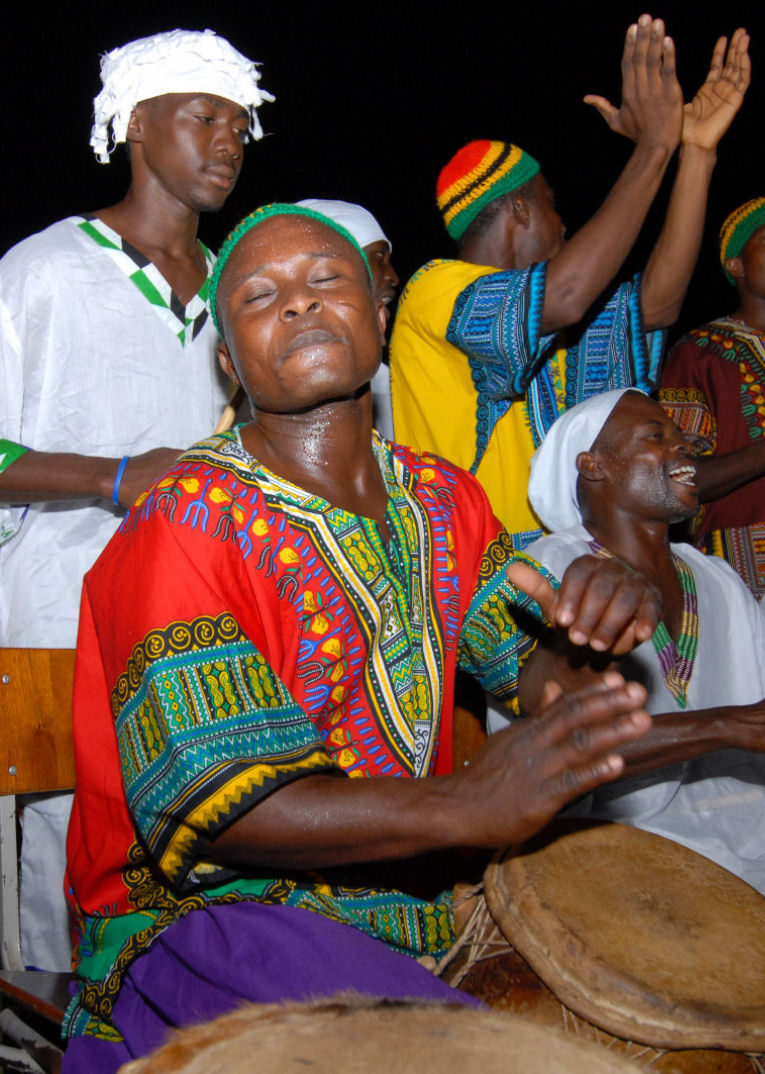 🇳🇬 Nigeria and 5 moreDashiki suit
The tailored tunic and trousers worn by grooms in West African and diaspora weddingsAttire · The ceremony
 🇬🇧 United Kingdom and 5 moreWhite tie
The highest level of formal Western evening attire for men and womenAttire · The ceremony
 🇿🇦 South Africa and 1 moreShweshweSeshoeshoe
A printed cotton fabric worn by Xhosa and Sotho brides and married women in Southern Africa.Attire · The ceremony
 🇮🇳 Amritsar, India and 1 moreJutti
The embroidered leather slip-on shoe worn by Punjabi brides and grooms at weddingsAttire · The ceremony
 🇬🇧 United KingdomDebutante dress
The strict white gown and feathered headdress worn by young women at their debutante cotillion.Attire · The weeks before
 🇮🇱 Jerusalem, Israel and 1 moreBekisheבעקישע (bekishe) or בעקעטשע (beketche)
A long black coat worn by Hasidic men on the Sabbath and at weddings.Attire · The ceremony
Photo credits on this page
The small pictures above come from Wikimedia Commons under free licences. Some are cropped to fit.
- Adumu: K15photos, CC BY-SA 4.0, source
- Full plaid: Greenmind at English Wikipedia, Public domain, source
- Áo nhật bình: Unknown author, CC0, source
- Debit trousers: Niloofar Rakhshan, CC BY 4.0, source
- Bangle: schwiki, CC BY-SA 4.0, source
- Chedda of Tlemcen: Dezedien, CC BY-SA 4.0, source
- Wax wedding head wreath: Sofo, GFDL, source
- Dashiki suit: Emilio Labrador, CC BY 2.0, source
- Okpu Agu: Justice kelechi achinefu, CC0, source
- Binukot: Francisco Ignacio Alcina, Public domain, source
- Geommu: Korea.net / Korean Culture and Information Service, CC BY-SA 2.0, source
- White tie: jonlo168, CC BY-SA 2.0, source
- Bollenhut: Unknown author, Public domain, source
- Nunta mortului: Iosif Berman, CC BY-SA 4.0, source
- Ghoomar: Aali Jain, CC BY-SA 4.0, source
- Phoenix crown: Unknown author, Public domain, source
- Zaju chuishao fu: Gary Todd, CC0, source
- Lefkara lace: Cyprus Tourism CH, CC BY 2.0, source
- Tunisian jebba: Touzrimounir, CC BY-SA 4.0, source
- Bekishe: JJ211219 at English Wikipedia, Public domain, source
- Shweshwe: HelenOnline, CC BY-SA 3.0, source
- Kelaghayi: Urmen19, CC BY-SA 4.0, source
- Xiapei: Unknown author, Public domain, source
- Kawung batik: Alteaven, CC BY-SA 3.0, source
- Lenten veil: Plutowiki, CC0, source
- Cloud collar: Unknown author, CC0, source
- Debutante dress: State Library of Queensland, Australia, No restrictions, source
- Easter palm: Evaldas Liutkus, CC BY 2.0, source
- Poffer: Unknown author, Public domain, source
- Jutti: Daderot, CC0, source