Family roles and who does what
Who gives the bride away, who walks, who stands witness, who pays and who sits where.
A wedding is a family event first. Who walks the bride, who stands as witness, who pays, who sits at the head table and who is the best man are all roles with their own names and history. They show how a community thinks about family, and they change as families change.
Giving and receiving
Western weddings often have the father walk the bride down the aisle, a custom with roots in the transfer of authority. Hindu kanyadaan, the gift of the daughter, is performed by the bride's parents, though some now reinterpret or skip it. In Jewish weddings both sets of parents may walk the groom and the bride to the chuppah. In Muslim weddings a wali, often the father, acts for the bride, and in the Hanafi school a woman may also contract her own marriage.
Witnesses and supporters
Greek and Orthodox weddings have a koumbaros or koumbara who crowns the couple and becomes a lifelong family friend. Spanish and Latin American weddings have padrinos and madrinas who sponsor parts of the day. English weddings have the best man and the maid of honour, and Hindu weddings the bride's brother, who pours rice into her hands in the laja homa. Jewish and Muslim weddings need two witnesses.
What is changing
Mothers now often walk their daughters, couples enter together, and step-parents and same-sex parents have a clear place. Many couples pay for their own weddings. The role of in-laws is still strong in places where couples live with the husband's family, and brides are pressing for fair treatment of their own parents too.
Written by the EveryShaadi desk with AI assistance. Background on Family roles and who does what (kind of custom). Customs differ from place to place and family to family. If this is your tradition and we have it wrong, tell us.
 🇺🇬 UgandaBakisimba
A lively Baganda circle dance performed at weddings and royal ceremonies in Uganda.Performance · Reception, dance and gifts
 🇯🇵 Kyoto, Japan and 5 moreTeeth blackeningohaguro
A traditional practice of dyeing teeth black to signal adulthood and beauty in parts of Asia and Oceania.Adornment · Engagement and betrothal
🇬🇧 Newquay, United KingdomTroyl
A Cornish barn dance or social gathering featuring music, song, and communal dancing.Performance · Reception, dance and gifts
 🇷🇺 Russia and 5 moreRadonitsaРа́доница (Russian), Прóводи (Ukrainian), Ра́даўніца (Belarusian)
The Orthodox memorial day that lifts fasting restrictions and officially opens the wedding season.Feast custom · The weeks before
 🇬🇷 Crete, GreeceSoustaΣούστα
A Greek courtship dance performed at weddings to display romance and agility.Performance · Procession and arrival
 🇦🇺 Australia and 4 moreMeat raffle
A pub tradition where tickets are sold for a chance to win meat prizes for local teams or charity.Feast custom · Reception, dance and gifts
🇮🇳 IndiaLohepfhe
A black shawl with red and green bands worn by Angami and Chakhesang Naga men at weddings.Attire · The ceremony
 🇵🇭 Quezon City, PhilippinesBinukot
A Visayan custom of secluding young noblewomen to preserve their purity and elevate their marriage value.Betrothal · The weeks before
 🇮🇩 Indonesia and 4 morePantunڤنتون
A Malayic oral poetry form used in wedding greetings and daily communication to express ideas through rhyme.Performance · Engagement and betrothal
 🇹🇳 Tunis, TunisiaTunisian jebbaجبة
A loose traditional tunic worn by Tunisian men and women for weddings and festivals.Attire · Procession and arrival
 🇿🇦 South Africa and 1 moreShweshweSeshoeshoe
A printed cotton fabric worn by Xhosa and Sotho brides and married women in Southern Africa.Attire · The ceremony
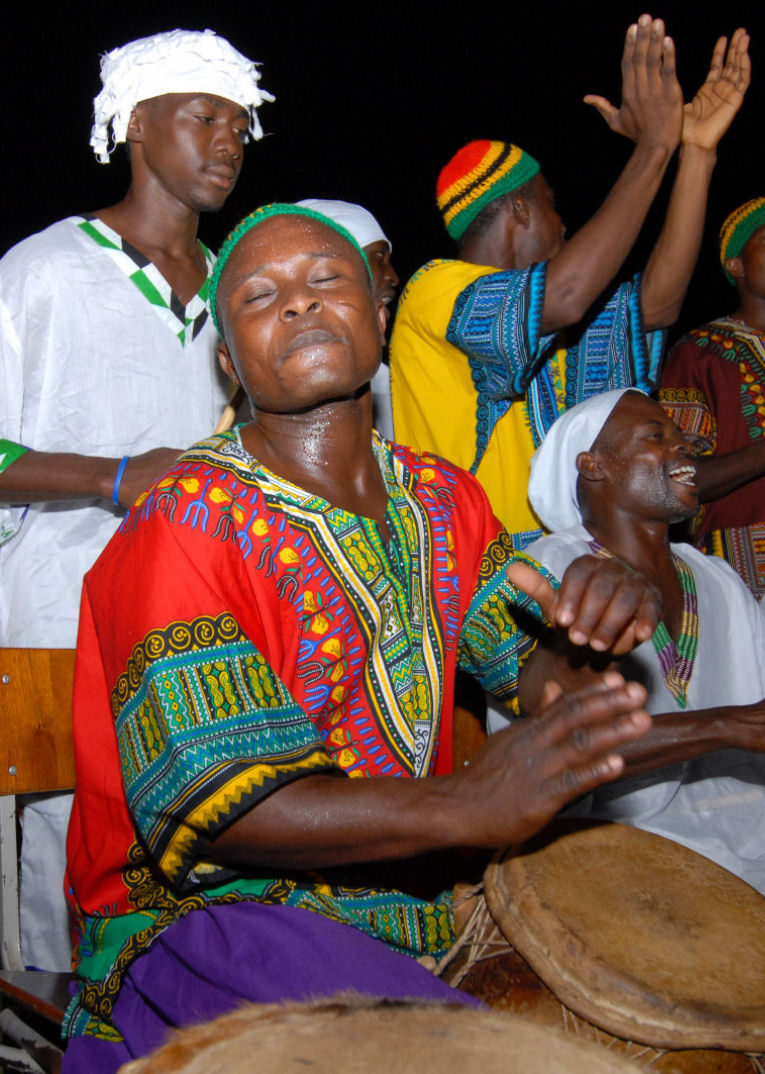 🇳🇬 Nigeria and 5 moreDashiki suit
The tailored tunic and trousers worn by grooms in West African and diaspora weddingsAttire · The ceremony
🇮🇳 India and 3 moreInter-caste marriage
A union between people of different castes, often contested in South Asia.Vow · Engagement and betrothal
🇾🇪 Yemen and 1 moreUrfi marriageزواج عرفي
A customary union upheld by community tradition instead of state registration.Modern · The ceremony
 🇵🇰 Pakistan and 5 moreCousin marriage
A union between people who share a grandparent or recent ancestor, practiced in many regions and communities.Vow · Finding a match
 🇳🇪 Niger and 5 morePolygyny
A marriage structure where a man has multiple wives simultaneouslyGift custom
 🇩🇰 Denmark and 5 moreWidow conservationÄnkekonservering
A Protestant custom where a new vicar married his predecessor's widow to secure her support.Betrothal · Engagement and betrothal
 🇮🇱 IsraelSeudat mitzvahסעודת מצוה
The obligatory festive meals in Judaism that mark religious milestones and sacred days.Feast custom · The ceremony
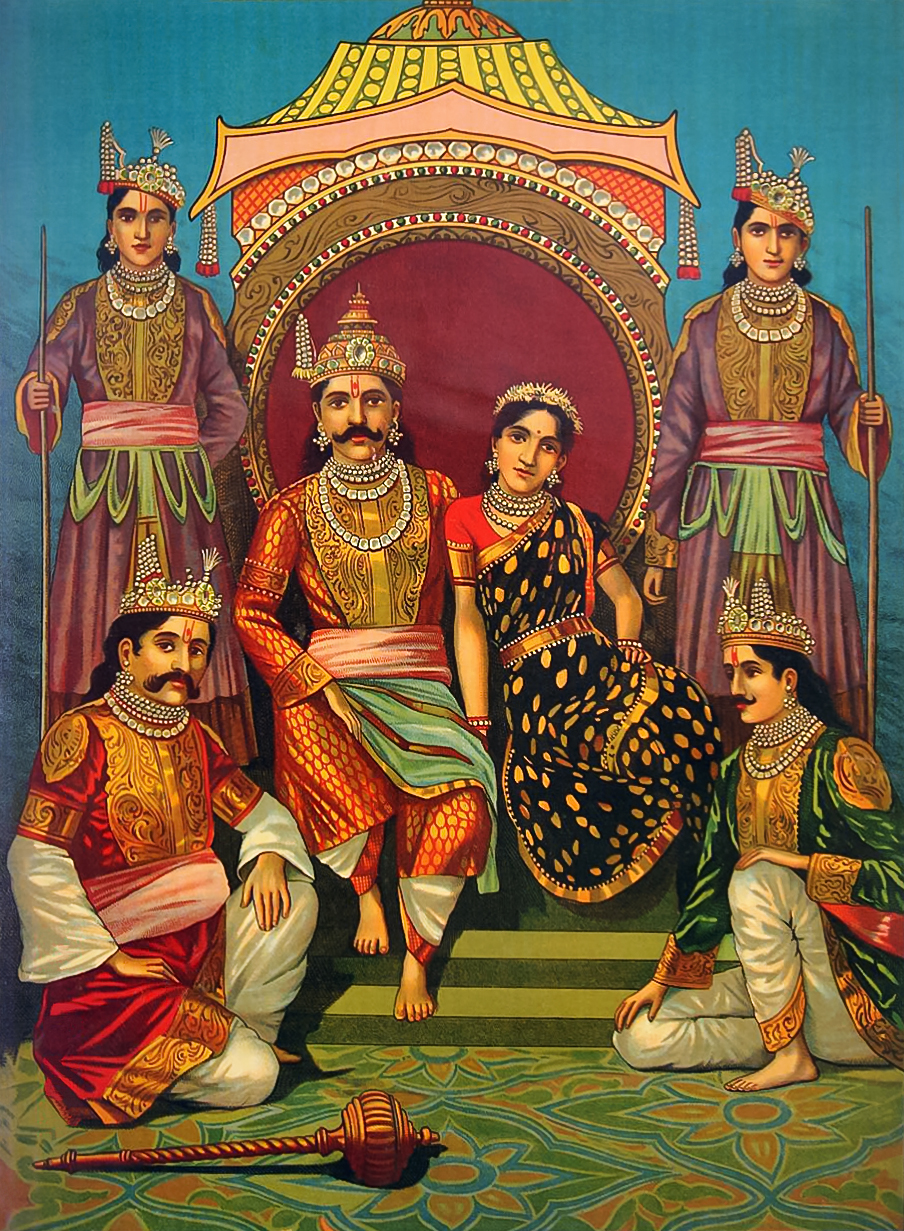 🇮🇳 India and 5 morePolyandry
A marriage structure where one woman is wed to multiple men simultaneously or in sequence.Betrothal · Engagement and betrothal
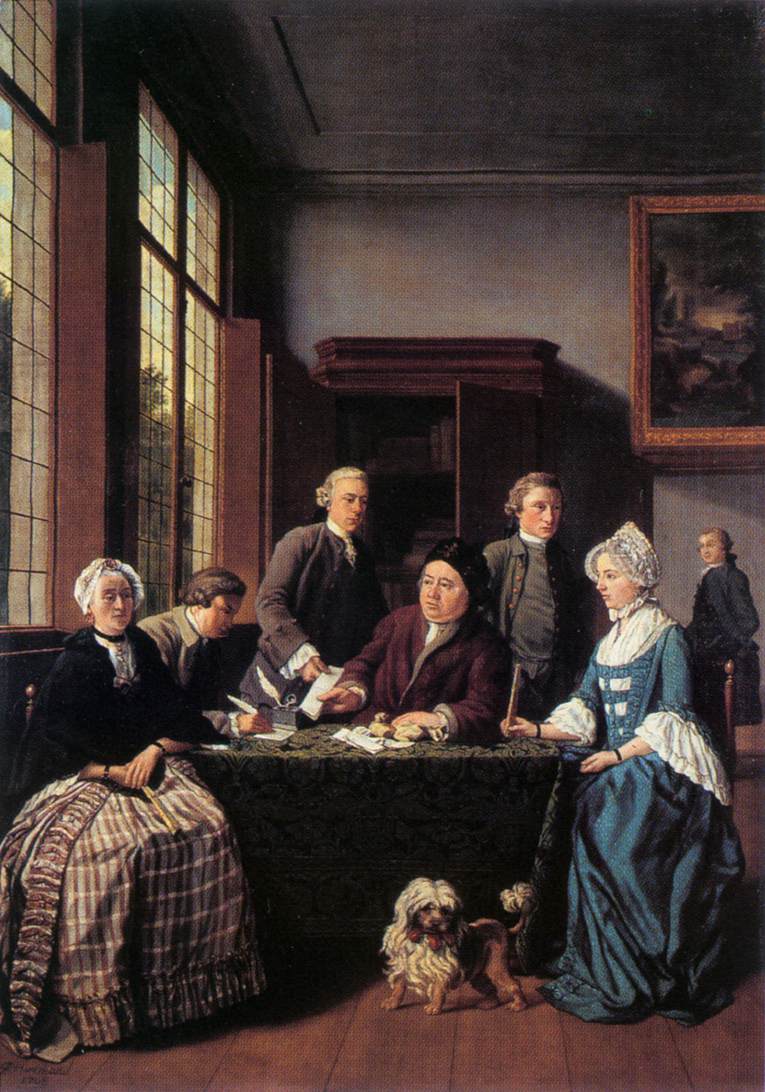 🇹🇭 Thailand and 5 morePrenuptial agreement
A written contract signed before marriage to define property rights and financial outcomes.Vow · Engagement and betrothal
 🇮🇳 India and 2 moreNose jewelNath
A nose piercing ornament that signals marital status and social standing in South Asia and beyond.Adornment · The weeks before
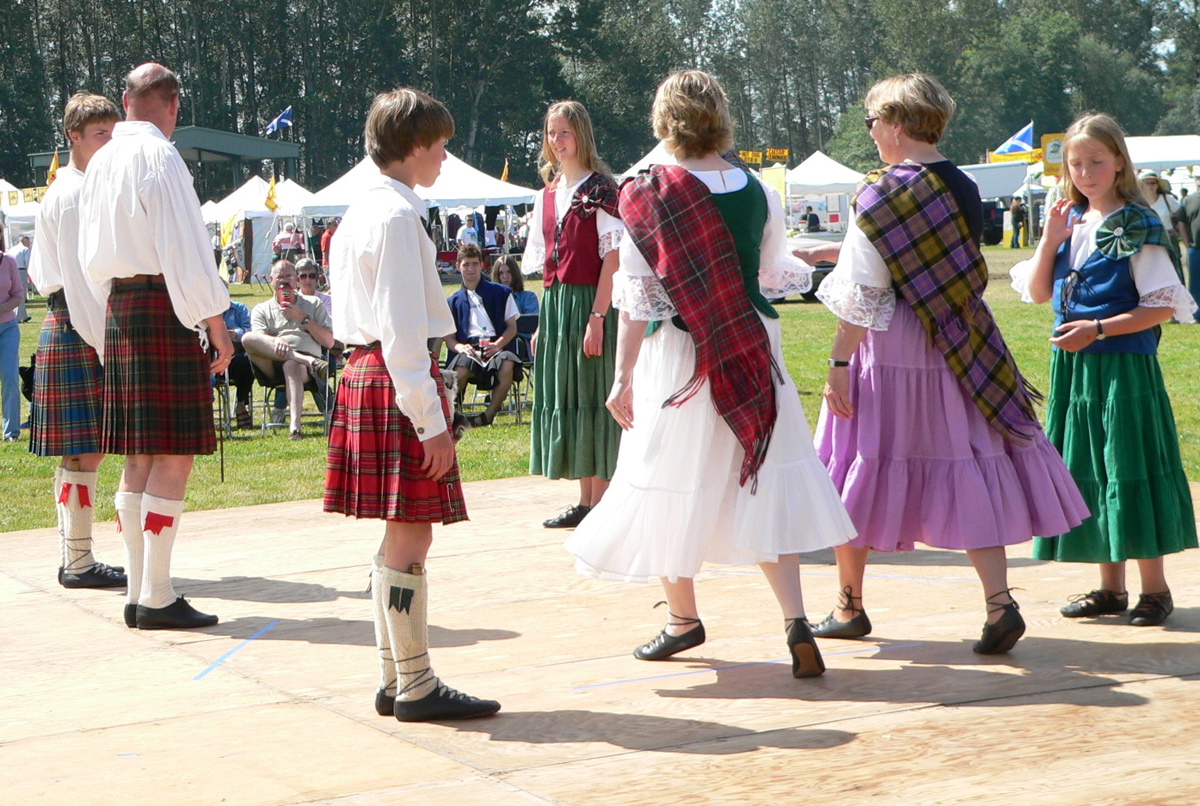 🇬🇧 Edinburgh, United Kingdom and 5 moreScottish country dance
A social group dance where couples trace progressive patterns to traditional Scottish musicPerformance · Reception, dance and gifts
🇺🇸 Washington, United StatesSame-sex marriage in tribal nations
Legal recognition of same-sex unions within the sovereign jurisdictions of Native American tribes in the United States.Modern · Engagement and betrothal
Photo credits on this page
The small pictures above come from Wikimedia Commons under free licences. Some are cropped to fit.
- Meat raffle: ef80, CC0, source
- Teeth blackening: momo, CC BY 2.0, source
- Prenuptial agreement: Jan Josef Horemans the Younger, Public domain, source
- Widow conservation: Keith Ruffles, CC BY 3.0, source
- Nose jewel: Etan Doronne @ www.myindiaexperience.com, CC BY-SA 3.0, source
- Polyandry in India: Raja Ravi Varma, Public domain, source
- Pantun: Nurmalinda Maharfar, CC BY-SA 4.0, source
- Polygyny: Unknown author, Public domain, source
- Seudat mitzvah: Unknown author, Public domain, source
- Dashiki suit: Emilio Labrador, CC BY 2.0, source
- Bakisimba: Kalungi Nathan, CC BY-SA 4.0, source
- Binukot: Francisco Ignacio Alcina, Public domain, source
- Sousta: psyberartist, CC BY 2.0, source
- Scottish country dance: © James F. Perry, CC BY-SA 3.0, source
- Tunisian jebba: Touzrimounir, CC BY-SA 4.0, source
- Shweshwe: HelenOnline, CC BY-SA 3.0, source
- Cousin marriage: 綾絲, CC BY-SA 4.0, source
- Radonitsa: Perohanych, CC BY-SA 3.0, source