A wedding joins two families as much as two people, and its customs spell out who does what: who asks, who gives the bride away, who stands as witness, who sits where and who is welcomed into whose house. This page looks at the roles of parents, witnesses, best men and bridesmaids, godparents and in-laws across the world, and at how they are changing.
Parents and the giving away
In the Western church wedding, the father walks the bride down the aisle and is asked who gives this woman, a relic of the time when a daughter passed from one man's authority to another. Many couples now walk together, or have both parents or a mother walk the bride. In Hindu weddings the kanyadaan, the gift of the daughter, is made by the bride's parents, and in Jewish weddings both parents walk each partner to the chuppah. In Muslim weddings the bride's guardian, the wali, is traditionally present at the nikah, and in China the parents are served tea by the couple as a sign of respect.
Witnesses, best men and bridesmaids
Every legal wedding needs witnesses, and many cultures give the role to a trusted friend or relative. The Western best man, with his groomsmen, descends from the friends who helped a groom in the days of capture, and the bridesmaids from the women who dressed in the same clothes as the bride to confuse evil spirits. The koumbaro in Greece, the padrinos in Spain and Latin America, and the kum in the Balkans act as sponsors who hold the crowns, rings or cords, and become lifelong godparents to the couple and their children.
In-laws, welcome and difficulty
In much of South Asia, East Asia and Africa the bride moves to the groom's family home, so the mother-in-law and sisters-in-law are central, and rituals such as the welcome with a lamp or a bowl of rice mark the arrival. Where the groom's side pays, as in parts of Europe, or the bride's side pays, as in India, who pays can shape the relationship. Tensions over the guest list, the seating and the customs are common, and families often solve them with clear talk and compromise.
How it is changing
Couples increasingly plan, and pay for, their own weddings, and give parents and friends of any gender a role. Fathers and mothers walk together, the best man may be a woman, and bridesmaids may include men. Blended and single-parent families adapt the roles to fit, and same-sex couples have created new ways of dividing them. The old forms still matter to many families, and the best weddings often include a nod to them.
Parents, giving away and the in-laws around the world
🇮🇳 India
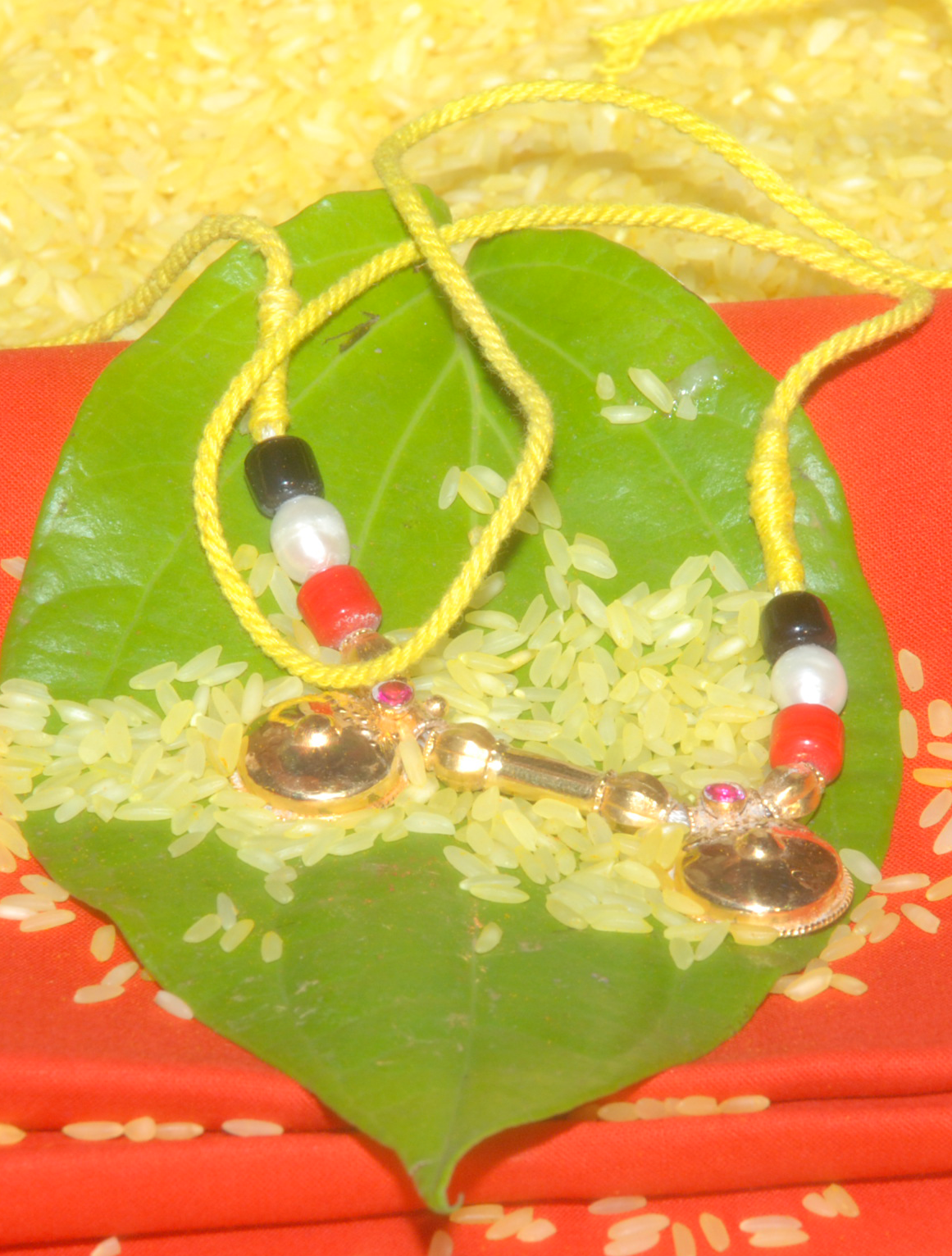
In a Hindu wedding the bride's parents perform kanyadaan, placing her hand in the groom's, and the groom's mother welcomes the couple at the door with a lamp and rice. The groom's brother and the bride's brother have small ritual duties, such as the bride's brother pouring puffed rice into her hands.
Read: Kanyadana🇵🇰 Pakistan and Bangladesh
At the nikah the bride is asked for her consent through her wali and two witnesses. The rukhsati, her ceremonial departure from her parents' home, is an emotional moment with prayers, and the groom's family receives her.
Rukhsati, being written🇵🇭 Philippines
Ninongs and ninangs, sponsors who are often wealthy or respected friends of the parents, act as witnesses and give the couple gifts. The principal sponsors sign the register and hold the veil and cord used in the ceremony.
Marriage and wedding customs in the Philippines, being written🇨🇳 China
The couple serve tea to the parents and elders, who give red envelopes and jewellery in return. The ceremony shows respect for the family and the welcome of the bride into her husband's household.
Chinese tea ceremony, being written🇯🇵 Japan
At a Shinto wedding the go-betweens, the nakodo, once arranged and introduced the match, and the families toast each other with sake in the sansan-kudo. The family of each side sit facing each other at the ceremony.
Nakōdo, being written🇬🇪 Georgia
The tamada, a toastmaster, runs the feast, and the groom's family brings a gift of wine to the bride's, with the best man, called the mkhlis, close to the groom. The wedding is held in a church with a godparent often serving as the sponsor.
Read: TamadaCompare all 17 places
Traditions to start with
Also part of it, and being written: Best man (The groom's chief supporter.), Koumbaros (The Greek sponsor and best man.), Padrino (The Hispanic wedding sponsor.), Giving away the bride (The father at the altar.), Marriage and wedding customs in the Philippines (The Filipino sponsors.), Chinese tea ceremony (Serving tea to elders.).
Questions people ask
Who gives the bride away?
In many Western weddings it is the father, but it can be both parents, a mother, a friend or nobody. The custom is optional, and civil celebrants are used to many arrangements.
What does a best man do?
He supports the groom, looks after the rings, organises the bachelor party and gives a speech. In some places the role is called the groomsman of honour or the koumbaro.
Who are godparents at a wedding?
In Greece, Spain, Latin America and the Balkans, the couple choose sponsors, called koumbaros, padrinos or kum, who take a ceremonial part and a lifelong role as friends of the marriage.
Does the bride join the groom's family?
In much of South Asia, East Asia and Africa traditionally yes, though many couples now live on their own. In some societies, such as the Minangkabau of Indonesia, the groom joins the bride's family.
Are witnesses required by law?
Most countries require at least one or two witnesses at a civil or religious wedding, with rules that vary. Check the registrar in your country.
About this pageWritten by the EveryShaadi desk with AI assistance. Customs differ from place to place and family to family. If this is your tradition and we have it wrong, tell us.