Wedding news
LawSamuel Alito blames marriage equality for America’s ‘decisive’ turn ‘against religious liberty’LawSupreme Court Justice Samuel Alito says marriage equality turned US "against religious liberty"LawSupreme Court Justice Samuel Alito Calls Marriage Equality Ruling a Turn 'Against Religious Liberty'DressMiss Manners: Modern weddings are less about tradition, more about celebrationMass weddingsLaoag City’s ‘Alisto I Do’ seals decade-long promise for 42 couplesIndustryIndia hotels see winter wedding boomLawPunjab Panel Approves Bill to Reform Christian Marriage LawMass weddingsNine officers tie the knot in mass ceremonyIndustryEvolved Catering Baltimore Enters Fall Wedding Season With New Five Star Reviews From CouplesMass weddingsHoms Hosts Mass Wedding for Over 100 Children of Martyrs - Syria FocusLawSamuel Alito blames marriage equality for America’s ‘decisive’ turn ‘against religious liberty’LawSupreme Court Justice Samuel Alito says marriage equality turned US "against religious liberty"LawSupreme Court Justice Samuel Alito Calls Marriage Equality Ruling a Turn 'Against Religious Liberty'DressMiss Manners: Modern weddings are less about tradition, more about celebrationMass weddingsLaoag City’s ‘Alisto I Do’ seals decade-long promise for 42 couplesIndustryIndia hotels see winter wedding boomLawPunjab Panel Approves Bill to Reform Christian Marriage LawMass weddingsNine officers tie the knot in mass ceremonyIndustryEvolved Catering Baltimore Enters Fall Wedding Season With New Five Star Reviews From CouplesMass weddingsHoms Hosts Mass Wedding for Over 100 Children of Martyrs - Syria Focus
EveryShaadi

Parents, giving away and the in-laws

A wedding joins two families as much as two people, and its customs spell out who does what: who asks, who gives the bride away, who stands as witness, who sits where and who is welcomed into whose house.

A wedding joins two families as much as two people, and its customs spell out who does what: who asks, who gives the bride away, who stands as witness, who sits where and who is welcomed into whose house. This page looks at the roles of parents, witnesses, best men and bridesmaids, godparents and in-laws across the world, and at how they are changing.

Parents and the giving away

In the Western church wedding, the father walks the bride down the aisle and is asked who gives this woman, a relic of the time when a daughter passed from one man's authority to another. Many couples now walk together, or have both parents or a mother walk the bride. In Hindu weddings the kanyadaan, the gift of the daughter, is made by the bride's parents, and in Jewish weddings both parents walk each partner to the chuppah. In Muslim weddings the bride's guardian, the wali, is traditionally present at the nikah, and in China the parents are served tea by the couple as a sign of respect.

Witnesses, best men and bridesmaids

Every legal wedding needs witnesses, and many cultures give the role to a trusted friend or relative. The Western best man, with his groomsmen, descends from the friends who helped a groom in the days of capture, and the bridesmaids from the women who dressed in the same clothes as the bride to confuse evil spirits. The koumbaro in Greece, the padrinos in Spain and Latin America, and the kum in the Balkans act as sponsors who hold the crowns, rings or cords, and become lifelong godparents to the couple and their children.

In-laws, welcome and difficulty

In much of South Asia, East Asia and Africa the bride moves to the groom's family home, so the mother-in-law and sisters-in-law are central, and rituals such as the welcome with a lamp or a bowl of rice mark the arrival. Where the groom's side pays, as in parts of Europe, or the bride's side pays, as in India, who pays can shape the relationship. Tensions over the guest list, the seating and the customs are common, and families often solve them with clear talk and compromise.

How it is changing

Couples increasingly plan, and pay for, their own weddings, and give parents and friends of any gender a role. Fathers and mothers walk together, the best man may be a woman, and bridesmaids may include men. Blended and single-parent families adapt the roles to fit, and same-sex couples have created new ways of dividing them. The old forms still matter to many families, and the best weddings often include a nod to them.

Parents, giving away and the in-laws around the world

🇮🇳 India

In a Hindu wedding the bride's parents perform kanyadaan, placing her hand in the groom's, and the groom's mother welcomes the couple at the door with a lamp and rice. The groom's brother and the bride's brother have small ritual duties, such as the bride's brother pouring puffed rice into her hands.

Read: Kanyadana

🇵🇰 Pakistan and Bangladesh

At the nikah the bride is asked for her consent through her wali and two witnesses. The rukhsati, her ceremonial departure from her parents' home, is an emotional moment with prayers, and the groom's family receives her.

Rukhsati, being written

🇵🇭 Philippines

Ninongs and ninangs, sponsors who are often wealthy or respected friends of the parents, act as witnesses and give the couple gifts. The principal sponsors sign the register and hold the veil and cord used in the ceremony.

Marriage and wedding customs in the Philippines, being written

🇨🇳 China

The couple serve tea to the parents and elders, who give red envelopes and jewellery in return. The ceremony shows respect for the family and the welcome of the bride into her husband's household.

Chinese tea ceremony, being written

🇯🇵 Japan

At a Shinto wedding the go-betweens, the nakodo, once arranged and introduced the match, and the families toast each other with sake in the sansan-kudo. The family of each side sit facing each other at the ceremony.

Nakōdo, being written

🇬🇪 Georgia

The tamada, a toastmaster, runs the feast, and the groom's family brings a gift of wine to the bride's, with the best man, called the mkhlis, close to the groom. The wedding is held in a church with a godparent often serving as the sponsor.

Read: Tamada

Compare all 17 places

Traditions to start with

Also part of it, and being written: Best man (The groom's chief supporter.), Koumbaros (The Greek sponsor and best man.), Padrino (The Hispanic wedding sponsor.), Giving away the bride (The father at the altar.), Marriage and wedding customs in the Philippines (The Filipino sponsors.), Chinese tea ceremony (Serving tea to elders.).

Questions people ask

Who gives the bride away?

In many Western weddings it is the father, but it can be both parents, a mother, a friend or nobody. The custom is optional, and civil celebrants are used to many arrangements.

What does a best man do?

He supports the groom, looks after the rings, organises the bachelor party and gives a speech. In some places the role is called the groomsman of honour or the koumbaro.

Who are godparents at a wedding?

In Greece, Spain, Latin America and the Balkans, the couple choose sponsors, called koumbaros, padrinos or kum, who take a ceremonial part and a lifelong role as friends of the marriage.

Does the bride join the groom's family?

In much of South Asia, East Asia and Africa traditionally yes, though many couples now live on their own. In some societies, such as the Minangkabau of Indonesia, the groom joins the bride's family.

Are witnesses required by law?

Most countries require at least one or two witnesses at a civil or religious wedding, with rules that vary. Check the registrar in your country.

About this page

Written by the EveryShaadi desk with AI assistance. Customs differ from place to place and family to family. If this is your tradition and we have it wrong, tell us.

Parents, giving away and the in-laws on EveryShaadi

The traditions written up so far, best known first.

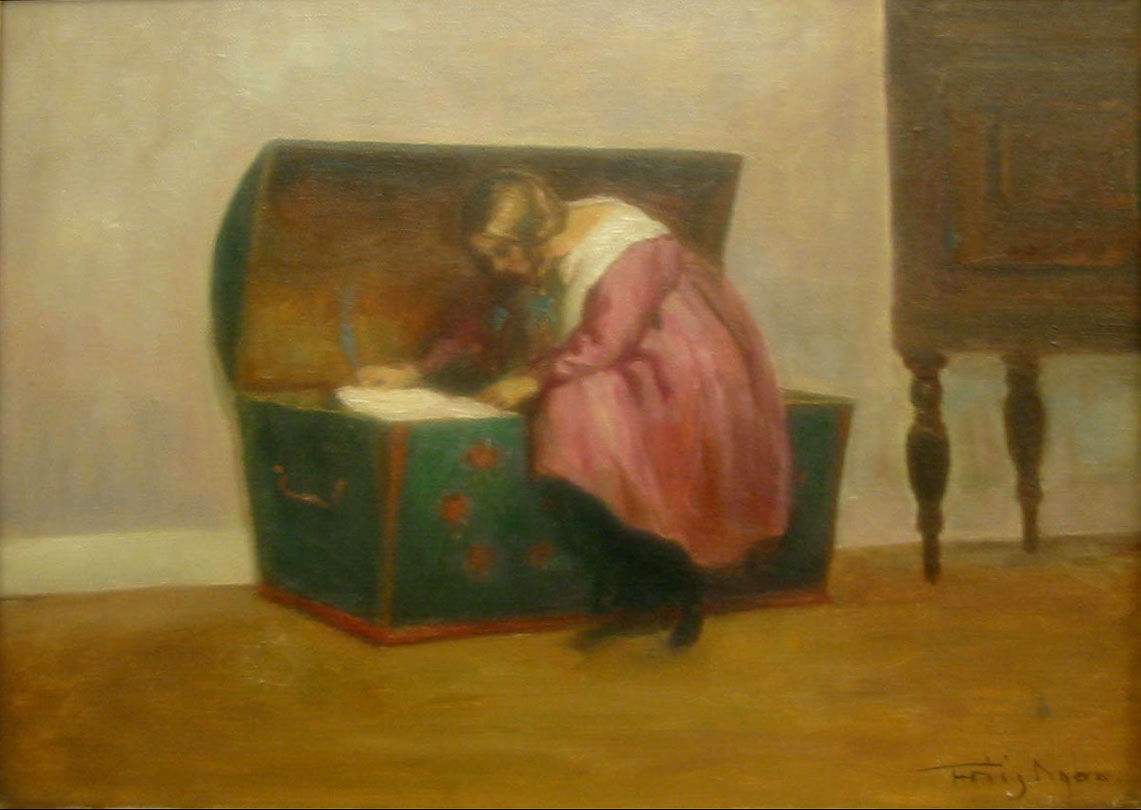
🇫🇯 FijiTabua A polished sperm whale tooth exchanged as a gift in Fijian weddings and ceremonies.Gift custom · Engagement and betrothal 🇹🇭 Thailand and 5 moreBride price Wealth paid by the groom or his family to the bride or her kin to formalize a union.Gift custom · Engagement and betrothal 🇮🇱 Israel and 1 moreBaháʼí marriage A spiritual union requiring parental consent and a specific vow to establish harmony between partners.Rite · Finding a match 🇵🇪 Peru and 4 moreBride service Labor provided by the groom to the bride's family as part of the marriage arrangement.Gift custom · Finding a match 🇿🇦 South Africa and 1 moreLobololobola (Zulu, Xhosa, Swazi, Ndebele), mahadi (Sesotho), mahari (Swahili), magadi (Sepedi), bogadi (Setswana), lovola (Xi The livestock or cash payment from a groom's family to a bride's family that formalizes a customary marriage in SouthernGift custom · Finding a match 🇵🇬 Papua New Guinea and 5 moreSister exchange A marriage arrangement where two brothers each take a sister from the other family as their wife.Betrothal · Finding a match 🇨🇳 China and 6 moreRed envelope红包 (hóngbāo) A gift of money in a red paper sleeve exchanged at weddings and holidays to bring good luck.Gift custom · The wedding feast 🇩🇪 Germany and 4 moreDower A share of the husband's property set aside to secure a woman's life if he dies first.Gift custom · Engagement and betrothal 🇵🇰 Pakistan and 4 moreWatta sattaوٹّا سٹّا / شغار A reciprocal marriage arrangement where two families swap brides to bind households and manage domestic tensions.Betrothal · Finding a match 🇳🇬 NigeriaMoney marriage A practice in southern Nigeria where a girl is given in marriage to settle her family's debts.Gift custom · Finding a match 🇮🇳 India and 5 moreDowry A payment of wealth from the bride's family to the groom or his household at marriage.Gift custom · Engagement and betrothal 🇰🇪 KenyaKoito A Kalenjin dowry negotiation ritual that marks the formal agreement between families.Gift custom · Engagement and betrothal 🇨🇳 China and 2 moreChinese pre-wedding customs三書六禮 (sàam syù luhk láih) The traditional betrothal rituals of the Book of Rites that prepare a Chinese marriage.Betrothal · Finding a match 🇨🇦 Canada and 1 moreMarriage à la façon du paysMariage à la façon du pays The common-law unions between European fur traders and Indigenous women that shaped North American history.Betrothal · Engagement and betrothal 🇮🇳 Mumbai, India and 3 moreDowry system in Indiaदहेज (Hindi), ज़ेहर (Urdu) The transfer of cash and goods from the bride's family to the groom that has become a source of financial strain and vioGift custom · Engagement and betrothal 🇹🇱 Dili, Timor-Leste and 1 moreTimorese wedding traditionsBarlake The gift exchange and family alliance rituals practiced on the island of Timor.Gift custom · Finding a match 🇳🇬 NigeriaLefe The presentation of gifts from the groom to the bride in Hausa weddings.Gift custom · The weeks before 🇰🇪 Kenya and 1 moreAyie The Luo bride price ceremony where the mother accepts payment and agrees to the marriage.Gift custom · Engagement and betrothal 🇦🇫 Afghanistan and 1 moreBaad A customary settlement where a girl or woman is handed over to an offended household to close a dispute.Gift custom 🇺🇸 United States and 4 moreHope chest A wooden chest where a bride collects linens and gifts before her wedding.Attire · Engagement and betrothal 🇸🇦 Saudi Arabia and 5 moreCousin marriage in the Middle East A traditional practice of marrying close relatives, especially paternal cousins, across Middle Eastern communities.Betrothal · Finding a match 🇱🇾 LibyaPolygamy in Libya The practice of men marrying multiple wives within Libyan law and custom.Gift custom · Engagement and betrothal 🇿🇦 South AfricaUkungenwa A South African custom where a widowed woman is inherited by her late husband's male relatives.Family role · After the wedding 🇬🇳 GuineaPolygamy in Guinea A polygynous marriage structure regulated by Guinean family law since 2019.Gift custom · Engagement and betrothal 🇨🇳 China and 1 moreTongyangxi童養媳 (tóngyǎngxí); Hokkien: 媳婦仔 (sim-pū-á) An adopted girl raised beside a son so a poor family could be sure he would have a wifeBetrothal · Engagement and betrothal 🇾🇪 YemenPolygamy in Yemen A legal practice allowing Muslim men to marry up to four wives under specific conditions.Gift custom · Engagement and betrothal 🇹🇭 ThailandPolygamy in Thailand The historical practice of multiple wives in Thailand and its legal status today.Gift custom 🇷🇼 RwandaPolygamy in Rwanda The traditional practice of men having multiple wives, now illegal but still found in rural areas.Gift custom · Engagement and betrothal 🇱🇰 Kandy, Sri LankaKandyan marriage The traditional union rites of Sri Lanka's Buddhist Kandyan community, defined by residence and inheritance.Vow · Engagement and betrothal 🇧🇩 BangladeshPolygamy in Bangladesh The practice of men taking multiple wives, regulated by different laws for Muslims and Hindus.Gift custom · Engagement and betrothal 🇹🇩 ChadPolygamy in Chad A legally recognized marriage structure where one husband has multiple wives across Chadian communities.Family role 🇨🇾 Pano Lefkara, CyprusLefkara laceLefkaritika The intricate white cotton embroidery from Cyprus that forms a bride's essential dowry collection.Attire · Engagement and betrothal 🇨🇳 ChinaHebao荷包 (Hébāo) A traditional Chinese embroidered pouch used for gifts, medicine, and romantic tokens.Adornment · Engagement and betrothal 🇰🇷 South KoreaChaesang채상 (Chaesang) Woven bamboo boxes used to store dowry items in traditional Korean weddingsGift custom · Engagement and betrothal

Photo credits on this page

The small pictures above come from Wikimedia Commons under free licences. Some are cropped to fit.

The weekly EveryShaadi

Every week: one wedding tradition from somewhere new, the wedding days coming up around the world, and one idea explained.