🇪🇬 Wedding traditions of Egypt
24 traditions from Egypt, best known first, across 10 cities and towns.
Marriage in Egypt blends Islamic and Coptic Christian rites with civil registration, often featuring large multi-day celebrations. Distinctive customs include the engagement party (khitbah), the wedding night (lailat al-dakha), and significant gift exchanges between families.
Weddings in Egypt are major social events that unite two families through a blend of religious ceremony and civic law. Most couples follow either Islamic or Coptic Orthodox traditions, each with its own rituals for engagement, the main celebration, and post-wedding gatherings. Civil registration is mandatory for legal recognition. The festivities often last several days, involving music, traditional dress, and generous hospitality for guests from both communities.
A typical wedding
The process usually begins with the khitbah, an engagement party where the groom's family visits the bride's home to exchange gifts and formally announce the union. Following this, the couple prepares for the main ceremony. For Muslim couples, the nikah is the core religious contract, often performed by an imam. Coptic Christians attend a church service led by a priest, which includes vows and the crowning ritual. After the religious rite, a large reception follows, featuring traditional food, music, and dancing. A unique custom is lailat al-dakha, the wedding night, where the bride's female relatives visit her new home to celebrate and offer advice.
Law and registration
Civil registration is required for all marriages in Egypt. Couples must register their union at a local family court or through religious authorities who have been granted civil status. The legal marriage age is eighteen for both men and women. Interfaith marriage is restricted; Muslim men may marry Christian or Jewish women, but Muslim women are not permitted to marry non-Muslim men. Christian men may marry Muslim women only if she converts. Same-sex marriage is not legally recognized, and such unions face criminal penalties under existing laws. These regulations reflect the state's alignment with dominant religious norms.
Wedding season
Weddings occur year-round, but certain periods are preferred. The cooler months from October to April see the highest number of ceremonies due to comfortable weather for outdoor events. Summer weddings are less common as extreme heat can complicate travel and guest attendance. Religious calendars also influence timing. During Ramadan, many Muslims avoid large public celebrations during daylight hours, though evening events may still occur. Coptic Christians observe fasting periods before major feasts, which can delay wedding dates until after the fast concludes. Families often plan months in advance to secure venues and coordinate with religious officials.
Gifts and money
Gift-giving is central to Egyptian weddings. The groom traditionally provides a mahr, a financial gift to the bride, which becomes her exclusive property. This practice stems from Islamic law and ensures the woman's economic security. Guests typically give cash envelopes, which are collected and often returned to the couple later as a form of reciprocal support. Jewelry is also a common gift from the groom to the bride. Families may exchange household items or appliances. The cost of the wedding is usually shared between both families, though the groom's side often covers more of the venue and catering expenses.
As a guest
Guests are expected to dress modestly and elegantly. Men often wear suits or traditional galabeyas, while women choose formal dresses or abayas, ensuring shoulders and knees are covered. Modesty is valued across both Muslim and Christian communities. Guests bring cash gifts in envelopes, which are presented upon arrival. It is customary to congratulate the couple personally and offer well wishes. Dancing is a key part of the celebration, with guests joining in traditional folk dances like the dabke. Refusing to participate in these communal activities may be seen as distant. Guests should respect religious protocols, such as removing shoes in some homes or observing prayer times.
The facts in this overview come from the Wikipedia article "Women in Egypt", written by its contributors and used under the CC BY-SA 4.0 licence. EveryShaadi rewrote the text in its own words, with AI assistance, and compares every page with the article to make sure no passage is copied. It may be reused under the same CC BY-SA 4.0 licence with a link back.
A wedding in Egypt, stage by stage
The customs written up so far, in the order a wedding unfolds.
Cities, towns and villages of Egypt
 🇮🇳 India and 5 moreWedding veil
A cloth covering the head or face worn by brides and grooms to mark marriage.Attire · The ceremony
🇪🇬 Egypt and 2 moreMisyar marriageزواج المسيار (zawāj al-misyār)
A Sunni Islamic contract where the wife waives cohabitation and financial support in exchange for a legal union.Vow · Engagement and betrothal
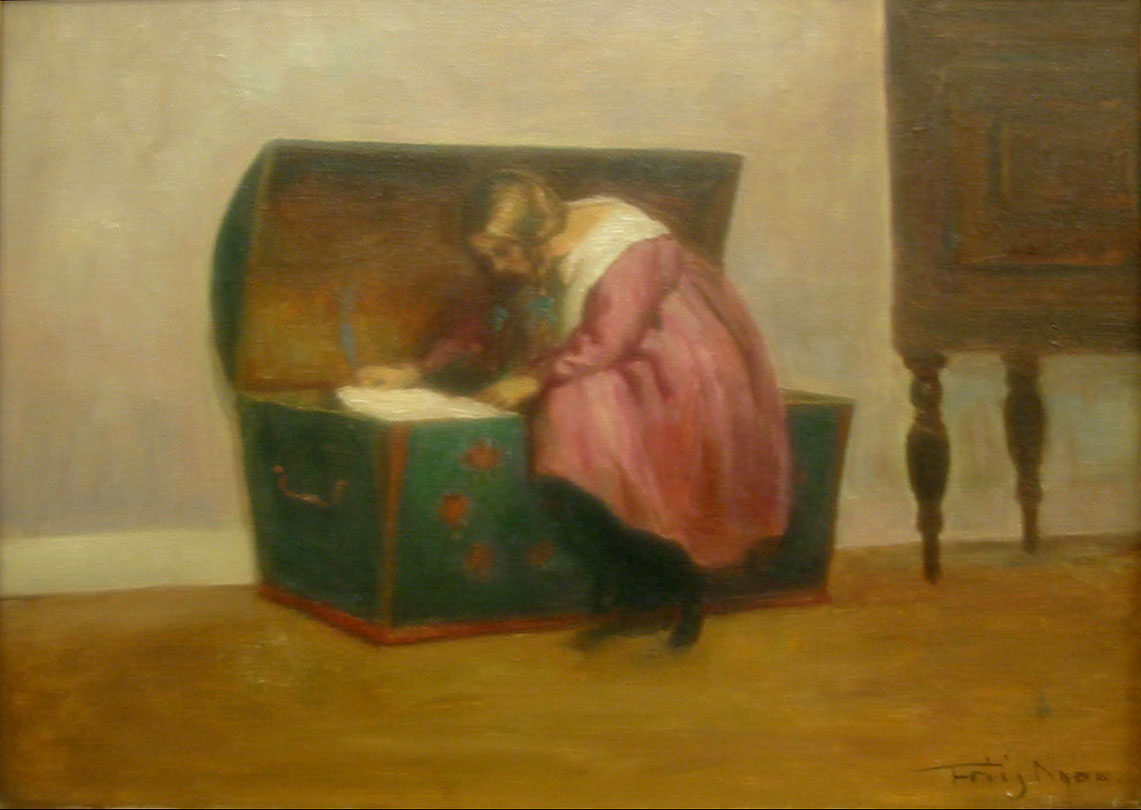 🇺🇸 United States and 4 moreHope chest
A wooden chest where a bride collects linens and gifts before her wedding.Attire · Engagement and betrothal
🇸🇦 Saudi Arabia and 5 moreCousin marriage in the Middle East
A traditional practice of marrying close relatives, especially paternal cousins, across Middle Eastern communities.Betrothal · Finding a match
 🇵🇰 Pakistan and 5 moreCousin marriage
A union between people who share a grandparent or recent ancestor, practiced in many regions and communities.Vow · Finding a match
🇾🇪 Yemen and 1 moreUrfi marriageزواج عرفي
A customary union upheld by community tradition instead of state registration.Modern · The ceremony
Photo credits on this page
The small pictures above come from Wikimedia Commons under free licences. Some are cropped to fit.
- Wedding veil: David Ring, CC0, source
- Hope chest: Poul Friis Nybo, Public domain, source
- Cousin marriage: 綾絲, CC BY-SA 4.0, source